Staying active after a stroke
After a stroke, recovery rarely follows a straight line. Some movements may feel weaker, slower or less coordinated than before. You might notice changes in balance, confidence or stamina, or feel unsure how much you should be doing on your own.
Many people find that once formal rehabilitation ends, progress feels like it stalls. That can lead to frustration, loss of confidence and less movement over time.
The Stroke Association strongly encourages exercise after a stroke because of its many benefits. Exercise lowers the risk of another stroke and heart issues. It also improves walking, mobility, and balance, which are often affected by a stroke.
Common situations we support
People come to us at many different stages of stroke rehabilitation. It’s often not about starting over. Instead, it’s about keeping progress going after regular therapy ends. We commonly support people who:
- Have completed NHS or private stroke rehabilitation and want to keep improving at home
- Feel their recovery has slowed or plateaued and are unsure what to do next
- Notice weakness, stiffness or poor coordination on one side of the body
- Feel unsteady walking, turning or standing, especially outdoors or on uneven ground
- Are worried about falling and have become more cautious or inactive
- Struggle with confidence after changes to balance, speech or movement
- Want to rebuild strength and stamina to manage daily tasks more easily
- Need structured guidance rather than generic exercises after stroke
- Have support from a partner or family member who wants reassurance they are exercising safely
Start with a free 15-minute enquiry call
If you’re unsure about your stroke rehabilitation, a brief chat can help. We’ll discuss your recovery progress, the challenges you’re facing, and what you want to improve next.
Prefer to talk now? Call 020 8226 0034
What we work on in sessions
Our Parkinson’s exercise sessions focus on four main areas. These help with movement, independence, and confidence in daily life. Each session is adapted to your symptoms, energy and coordination on the day.

Cardiovascular
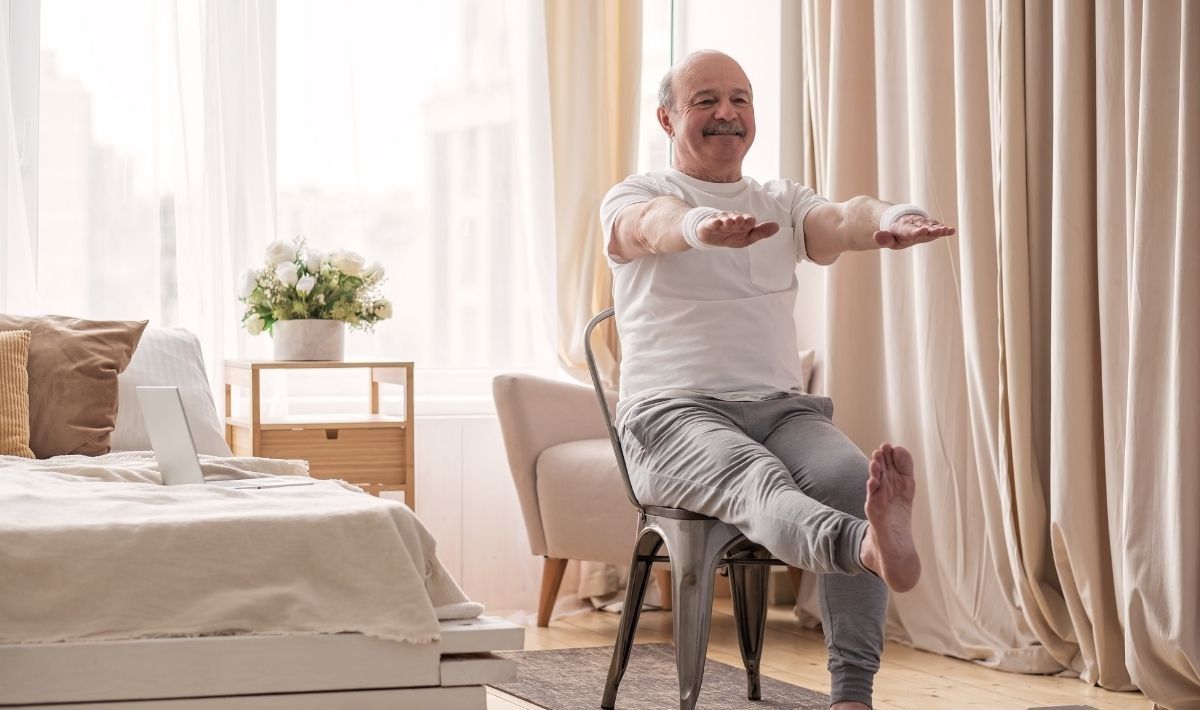
Gentle cardio exercise boosts heart and lung function, circulation, and stamina. This is key for long-term stroke recovery and lowering the risk of another stroke. Walking, cycling, and seated cardio boost endurance and support brain health. Plus, they won’t drain your energy.

Strength
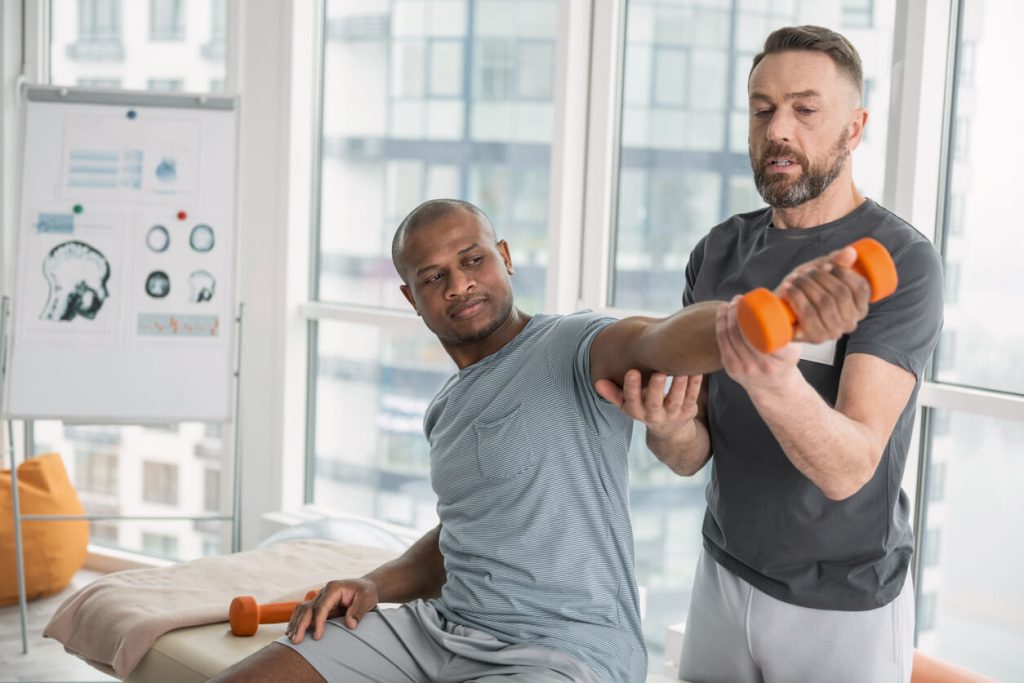
Strength training plays a key role for exercise after a stroke. It helps rebuild muscle control and supports nerve pathways between the brain and body. We focus on functional movements, like sit-to-stands, supported rows, and wall-based exercises. These improve strength where it matters most for standing, walking, and daily tasks.

Mobility
After a stroke, stiffness and limited movement can affect confidence and comfort. Mobility exercises reduce tightness and promote smoother movement patterns. Gentle stretching and controlled movements also boost posture and walking ability.
Coordination
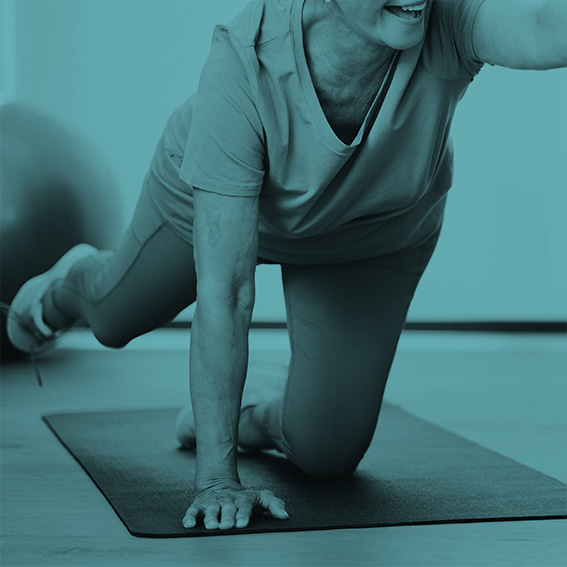
Strokes can disrupt how the brain and body communicate. This affects timing, balance, and control. Coordination exercises help retrain these connections. Simple drills, like step patterns and controlled reaching, help improve balance. They also boost walking confidence and enhance overall motor control.

“I found LHF by chance when I was looking for a clinical trainer for my husband Jim who had a major stroke 6 years ago. What a find. It has made such a difference to Jim’s strength and stamina and is allowing him to maintain some independence. Barbara his trainer is patient and understanding and also pushes him when required. We started on one session a week but now have two which frees up some of my time. Can’t recommend enough.”
“My sessions with Patience have helped me considerably. She is an extremely pleasant person who is not only knowledgeable in her field, but also encouraging and motivating. She was able to explain what each exercise would do to improve my stability and balance and the reasons for this. She also provided me with diagrams to remind me what exercises I should continue to do in between my face to face sessions with her. I would recommend her unreservedly as a physiotherapist”
How our stroke rehabilitation programmes work
Stroke recovery does not stop after discharge from hospital or physiotherapy. Our programmes are designed to support ongoing stroke rehabilitation, helping you continue to rebuild strength, movement and confidence at a pace that feels safe and manageable.

Initial consultation and assessment
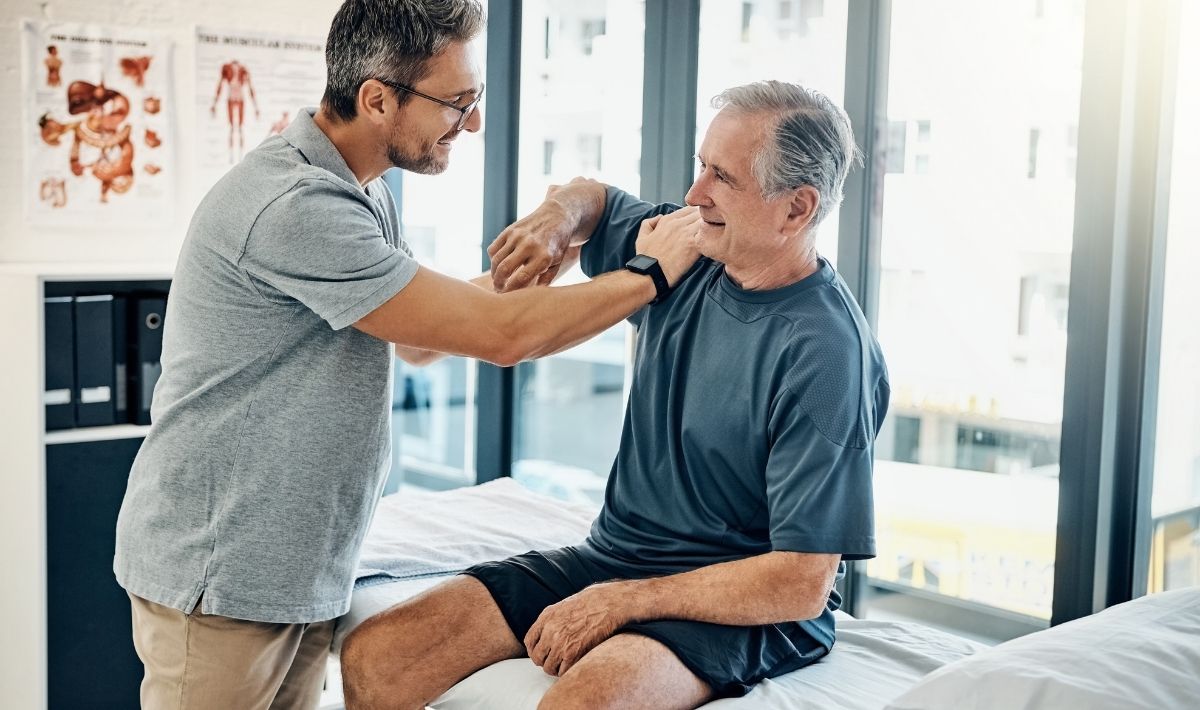
We begin with a relaxed conversation about your stroke, your recovery so far, and how day-to-day movement feels now. We’ll talk through any mobility changes, fatigue, confidence concerns or goals you have. You’ll try a few gentle movements in everyday clothes so we can understand your strength, balance, coordination and current abilities.

Your personalised plan
Your plan focuses on what matters most to you. This could be walking more confidently, improving balance, regaining strength on one side, or moving freely at home. We choose exercises carefully to support your stroke rehabilitation. They are adapted to your recovery stage, energy levels, and any medical guidance you’re following.

One-to-one sessions
Regular 60-minute sessions happen weekly or fortnightly, either at home or online. Each session adapts to your feelings that day. We guide exercises calmly and clearly. This helps you practise movements safely. It gradually builds strength, coordination, and confidence with tailored exercises after a stroke.

Home practice &
check-ins
Simple exercises between sessions help you stay consistent without feeling stressed. You don’t need special equipment. We regularly review your progress. With your permission, we can contact your GP, physiotherapist, or care team. This way, your stroke rehabilitation remains coordinated and supportive.
Neuro Rehabilitation for Stroke Recovery
Our neuro rehabilitation sessions help with stroke recovery after hospital or physiotherapy. We aim to rebuild your strength, improve balance and coordination, and boost your confidence in daily movement.
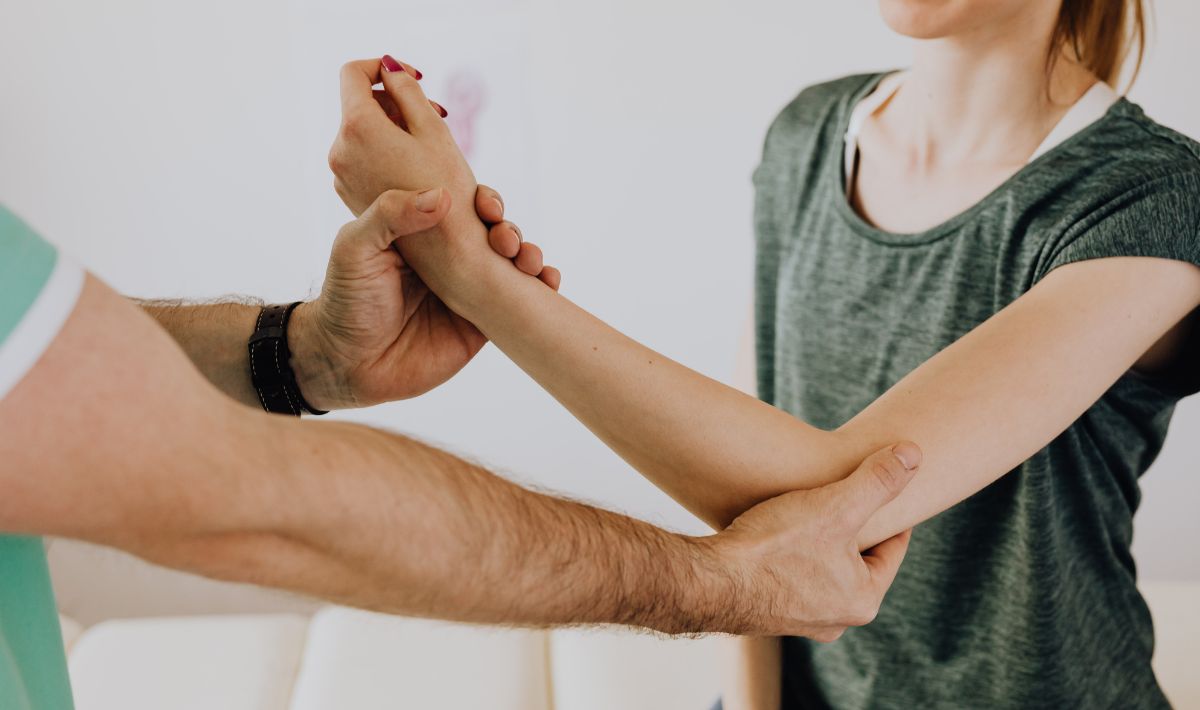
Each session is one-to-one and tailored to your recovery stage, mobility, and energy levels. Whether you focus on walking, transfers, balance, or upper-limb strength, we guide you through safe exercises after a stroke. This approach supports real progress over time.
Why choose Longevity Health & Fitness
At Longevity Health and Fitness, we specialise in supporting people with long-term and complex health conditions through safe, personalised exercise programs. Every program is designed around you, your condition, your energy levels, and your day-to-day reality. Our focus is on meaningful progress, helping you move better, feel stronger, and maintain independence, with care that adapts as your needs change. We work collaboratively with healthcare professionals when needed, ensuring your exercise plan fits seamlessly alongside your wider care.
Home visits in London & Surrey (online everywhere)
Home visits across London, Surrey and nearby areas, with flexible online appointments wherever you are. Not sure if you’re in range? Contact us or call 020 8226 0034 and we’ll confirm.