
From Stroke to Strength: The Role of Exercise in Neurological Recovery
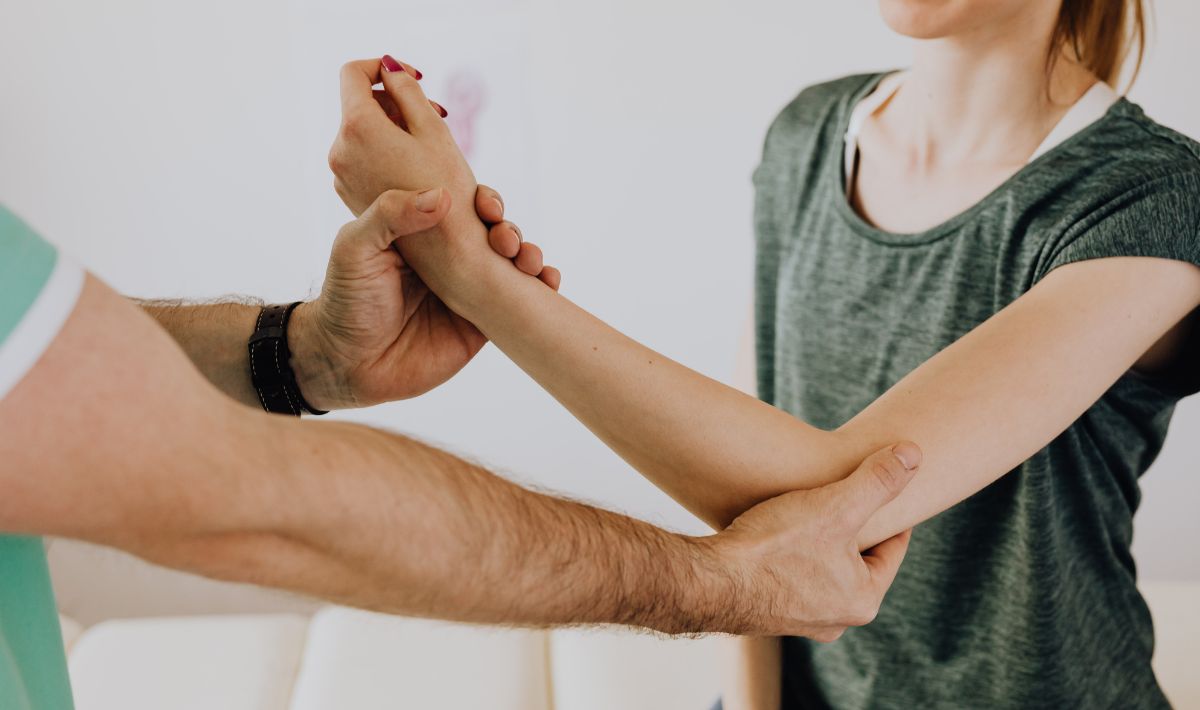
A neurological event, like a stroke, can change your life in an instant. Movement may feel unfamiliar, confidence can drop and everyday tasks often become more challenging than they once were. Despite these challenges, meaningful neurological recovery can be possible with the right support, and structured exercise is one of the strongest tools we have.
At Longevity Health and Fitness, we work with clients across London and beyond to deliver specialist neuro rehabilitation programmes. Whether you’re rebuilding after a stroke, living with Parkinson’s disease, or managing Multiple Sclerosis, our clinical team is here to help you move with greater assurance, rebuild your functional strength and regain your independence.
In this blog, we will explain why exercise matters following a neurological event and how a personalised approach can be vital for long-term outcomes.
Understanding what happens to your body after a stroke
A stroke occurs when the blood supply to part of the brain is disrupted, either by a blockage known as an ischaemic stroke, or bleeding known as a haemorrhagic stroke. Depending on the area affected, this can result in:
- Muscle weakness or paralysis
- Changes in coordination, balance or spatial awareness
- Difficulties with speech, memory or concentration
- Fatigue, emotional changes or reduce confidence
Although these changes can feel overwhelming and will vary for each individual, the brain has an impressive ability to adapt. This process, called neuroplasticity, enables the brain to form new pathways and relearn skills. With the right type of stimulation, especially purposeful movement and exercise, the brain can begin to relearn skills and rebuild functional patterns that may have changed.
The significance of exercise in neurological recovery
When it comes to neurological recovery and rehabilitation, exercise becomes far more than just general physical activity and movement. It is a clinical tool that stimulates the nervous system, strengthens the body and supports your brain health. When applied correctly, it can help to:
- Improve mobility and coordination
- Build strength for everyday activities
- Improve cognitive function and manage mood
- Reduce the risk of falls and prevent physical deconditioning
The greatest benefits come from a programme that is individualised to your capacity, medical history and goals. It should focus on high quality movement rather than too much volume, prescribed by exercise professionals who understand how the nervous system recovers and adapts.
Stroke recovery: your own path
No two recovery journeys look the same. Some people may be working towards walking confidently again, while others may be focused on arm and hand function, fatigue management, or easing fear around movement. At Longevity, we prescribe individualised programmes built around a detailed assessment of you so we can build an understanding of your current capacity, medical history and the goals that matter most to you. We also take into account your previous exercise experience and any practical considerations that may influence how you can move, whether that involves adapting sessions to your home environment or tailoring them to your daily routine. All our sessions are clinically-led, one on one, and completed in a supportive, accessible environment. Sessions may include strength work, balance training, mobility drills, neuromuscular re-education and functional movement practice. Progress is monitored closely, adjusted regularly and delivered with consistent support, both within and outside session times.
Safe, sustainable progress
It’s very normal to worry about pushing it too far after a stroke. Working with a qualified clinical professional means every step forward is safe, purposeful and appropriate for your stage of recovery. As exercise professionals, we can recognise when you’re ready to challenge yourself a little more, but equally know when to ease things back on days when your body or energy levels aren’t quite where they need to be.
Core components of our neurological rehabilitation programmes often include:
- Functional strength training: Practical movements to rebuild strength for everyday tasks including standing, climbing stairs or carrying things
- Gait retraining: Exercises to improve walking patterns, build confidence and reduce falls risk
- Balance and stability work: Targeted exercises to rebuild core control, spatial awareness and joint stability
- Neuromuscular coordination and stimulation: Techniques to strengthen the pathways between brain and body, supporting smooth and controlled movements
Over time, our clients often notice improvements not only in their movement and physical capacity, but also their confidence, mood and overall wellbeing.
Neurological rehabilitation beyond stroke
In addition to post-stroke recovery, we also support individuals living with:
- Parkinson’s disease
- Multiple sclerosis (MS)
- Cerebral palsy
- Spinal cord injury
- Neuropathy and other neurological disorders
No matter where you are in your journey, our goal is to help you live better for longer, with greater confidence in your body.
Your path forward: personalised neuro rehab in London
Whether you are just beginning your recovery or looking to progress beyond previous stroke rehabilitation, specialist clinical support can make a meaningful difference. At Longevity Health and Fitness, we combine our clinical expertise with a compassionate, person-centred approach. We combine clinical expertise with genuine care to assist you in:
- Rebuild strength and movement
- Feel safer and more confident in everyday life
- Reconnecting with the activities that matter to you
If you are ready to explore what tailored neurological recovery and rehabilitation could look like for you or a loved one, our team is here to support you at every step. Give us a call today to discuss your needs and book an initial assessment.


