Staying active after a heart event
Recovery takes time. Some days your energy’s steady, other days it dips. That’s normal. The right kind of movement helps your heart get stronger again and brings back confidence in what your body can do.
Gentle, regular exercise can lower blood pressure, boost circulation, and reduce heart disease risk by about a third. Small, consistent efforts really make a difference over time.
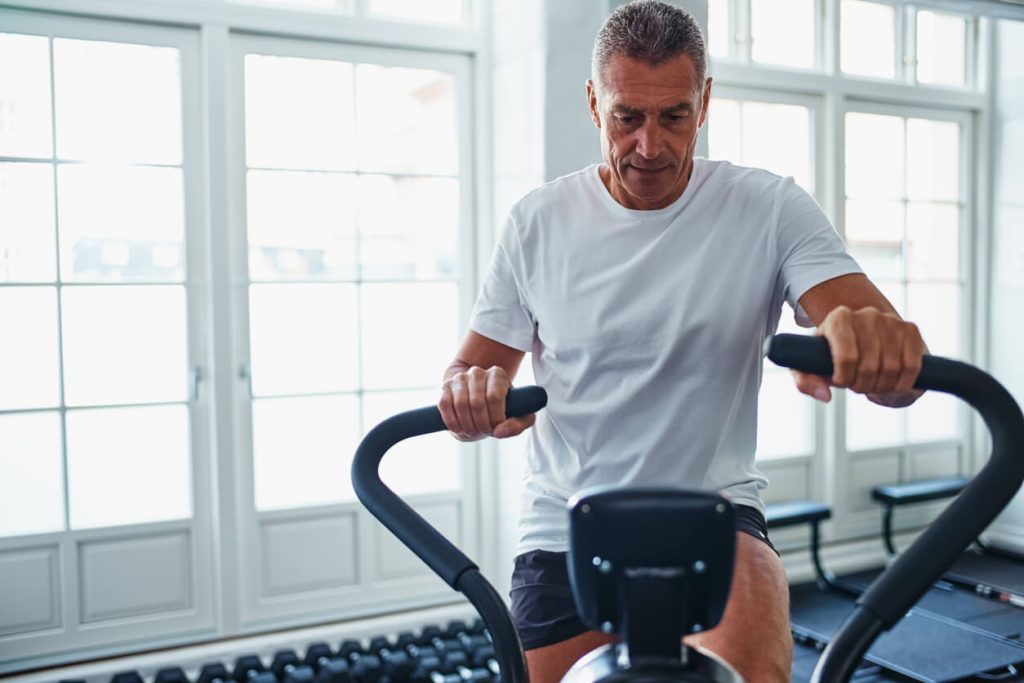
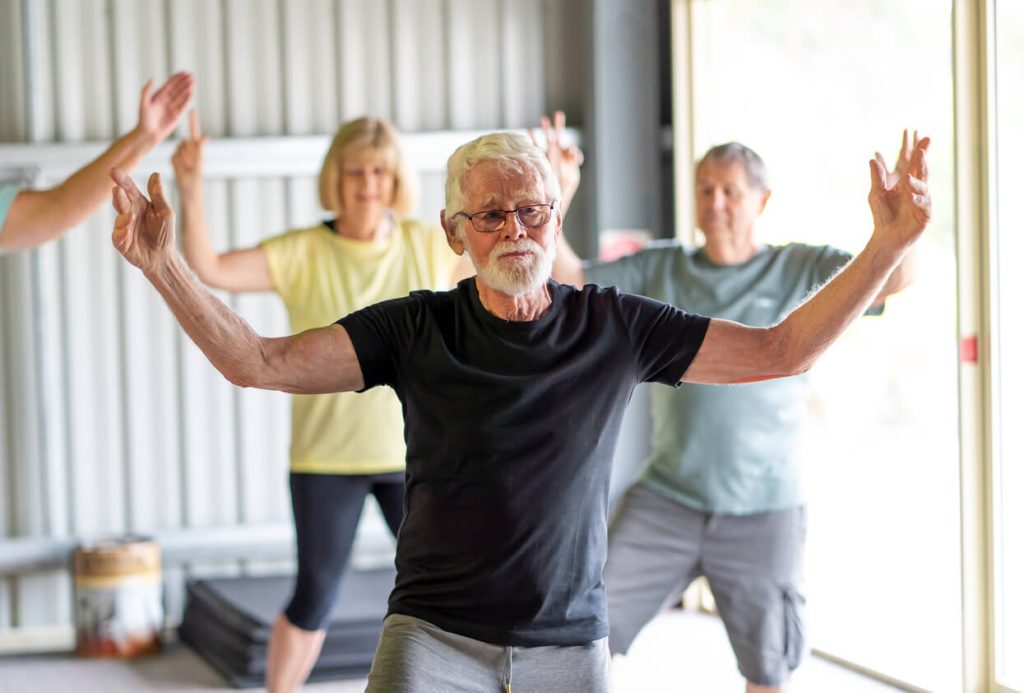
Common worries we can help with
No two heart health journeys are the same, but many people share the same thoughts when they start again. You might:
- Feel unsure about exercising after a heart event or diagnosis
- Worry that activity could bring on chest discomfort or breathlessness
- Feel more tired or weaker than before
- Be managing medication that changes your heart rate or energy
- Want better stamina for walks, stairs, or family time
- Be focused on heart disease prevention and keeping your heart healthy long-term
Wherever you’re starting from, we pace each session to how you feel that day – keeping things safe, positive, and steady so progress builds naturally.
Start with a free 15-minute enquiry call
Feeling unsure about how to begin after treatment or diagnosis? Let’s talk it through. In a short call, we’ll listen to your story, check what feels right for you now, and plan gentle, sensible first steps for your heart health and confidence.
Prefer to talk now? Call 020 8226 0034
What we work on in sessions
Our one-to-one sessions focus on four key areas. These areas work together to support heart health, build stamina, and boost your confidence in movement.

Cardiovascular
Gentle, steady aerobic exercise helps your heart and lungs work more efficiently. Walking, cycling, or swimming (even in short bouts through the week) can lift your energy, improve circulation, and strengthen your heart safely over time.

Strength
We use light weights, resistance bands, or bodyweight moves to build everyday strength. Stronger muscles help your heart work less hard, make daily tasks feel easier, and support your long-term heart health.

Mobility
Simple stretching and mobility exercises ease stiffness, support circulation, and help you move comfortably between sessions. Small changes here can lower stress and make it easier to stay active day to day.

Balance
Balance and control work builds confidence and independence, especially after illness or surgery. Better stability means fewer near-misses and a safer, steadier foundation for future activity and cardiovascular health

“I suffered a sudden cardiac arrest in 2023 and am very lucky to have made a recovery at all, but with the ongoing support from Victoria and Josh, I’m fitter and stronger than I have been in 10 years.”
“I started with Josh at Longevity Health and Fitness in December 2024 after heart bypass and a stroke and many overlapping medical issues. His expertise, dedication and kindness has completely changed my health and my outlook. He has in depth knowledge, not only about diet and fitness but all my medical conditions. Mentally and physically he has inpsired and motivated me driving me forward relentlessly through many ups and downs towards success and positivity. My strength and fitness is the best it has ever been. Nothing I have ever done in my 66 years has come close to the dedication and self belief I have now. He is super professional, brilliant at what he does and cares deeply about the outcome. I am immensely grateful to Josh and Longevity for the motivation and accountability he constantly brings to our sessions and indeed every day. I would not hesitate to recommend him to anyone seeking to improve their physical and mental health, longevity and enjoyment of life. He is never getting rid of me!!!!”
How our cardiac exercise programmes work
A simple plan, calm support and steady progress. Each step is designed to help you move confidently and strengthen your heart at your own pace, at home or online.

Initial consultation and assessment
We begin with a simple chat about your heart health, activity level, and goals. Then, we’ll do some gentle movements you can try in your everyday clothes. We’ll look at energy, breathing and confidence levels, then agree on simple priorities to guide your first few weeks.

Your personalised plan
We’ll create a simple routine that boosts stamina, strength, and circulation. It will fit your lifestyle and any medical advice you’re following. You’ll get clear, safe steps for how to move, rest and adjust as you go.

One-to-one sessions
Regular 60-minute sessions (weekly or fortnightly) at home or online. We progress gradually, tuning each workout to how you feel that day. You’ll always feel supported, not pushed, as we build strength, stamina and confidence together.

Home practice &
check-ins
Short, manageable exercises between sessions help you stay consistent and keep progress going. No special kit needed. We’ll review your progress regularly and, with your permission, keep your GP or cardiac team updated so everything stays aligned.
Cardiac rehabilitation for a stronger, healthier heart
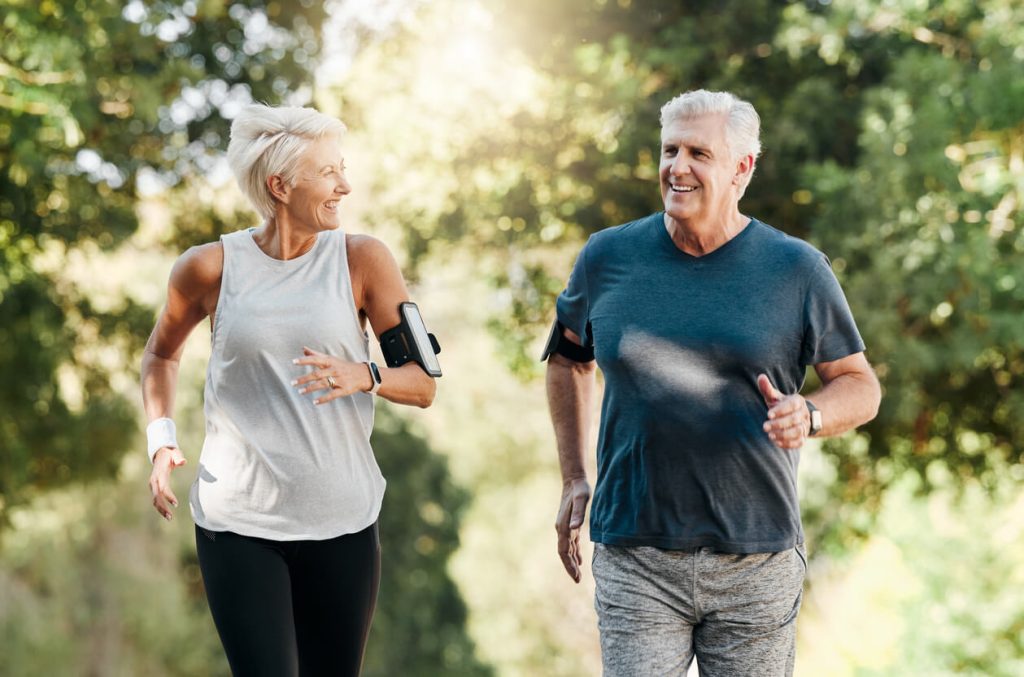
Safe and supportive exercises can help you rebuild your stamina, strength, and confidence after illness, surgery, or a diagnosis. We’ll customise each session to fit your goals, energy, and medical advice. This way, progress will feel steady, safe, and achievable.
Why choose us
At Longevity Health and Fitness, we specialise in supporting people with long-term and complex health conditions through safe, personalised exercise programs. Every program is designed around you, your condition, your energy levels, and your day-to-day reality. Our focus is on meaningful progress, helping you move better, feel stronger, and maintain independence, with care that adapts as your needs change. We work collaboratively with healthcare professionals when needed, ensuring your exercise plan fits seamlessly alongside your wider care.
Home visits in London & Surrey (online everywhere)
Home visits across London, Surrey and nearby areas, with flexible online appointments wherever you are. Not sure if you’re in range? Contact us or call 020 8226 0034 and we’ll confirm.