
How Exercise Will Help Stroke Recovery
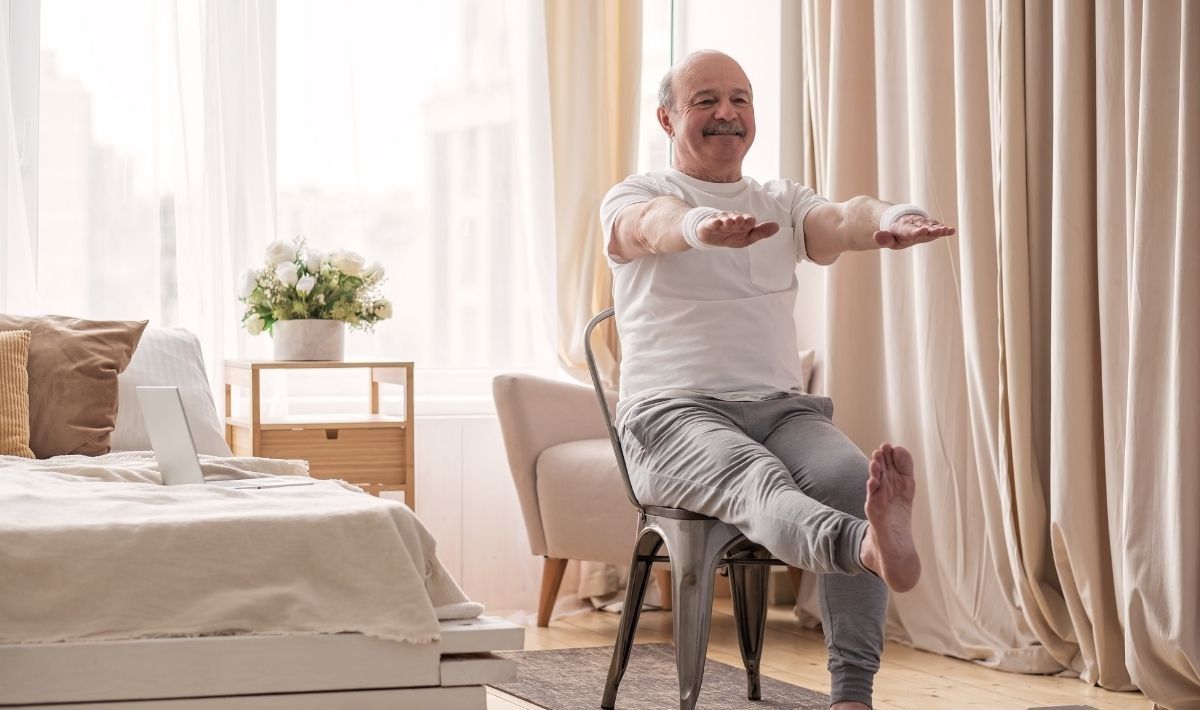
A stroke is an event that can change your life in an instant. Everyday tasks that once felt automatic, like walking, getting dressed and making a cup of tea, can suddenly require significant effort. Things can feel overwhelming, both physically and emotionally, during your stroke recovery. But while medical treatment in the early stages is critical, what happens after hospital discharge is just as important.
Exercise plays a vital role in stroke recovery. When done correctly and progressed safely, it can help restore movement, rebuild strength, improve independence and improve overall quality of life.
In this blog, we explore why exercise matters after stroke, how it supports the brain and body, and what a safe, structured approach should look like.
Understanding stroke recovery
A stroke occurs when the blood supply to part of the brain is interrupted. In the UK, stroke is a leading cause of disability, with someone having a stroke every three and a half minutes (Stroke Association, 2026).
Recovery doesn’t always follow a straight line. Some people regain function quickly, while others require longer-term stroke rehabilitation. Improvements can continue for months, and even years, when the right support is in place.
It’s important to remember that the brain has an incredible ability to adapt. This ability, known as neuroplasticity, means the brain can form new pathways and recognise itself. Exercise is one of the most effective ways of stimulating this process.
How exercise supports the brain after stroke
- Promotes neuroplasticity
Targeted, repetitive movement encourages the brain to rewire. When you practice a task, such as standing up from a chair or stepping forward, you’re reinforcing the neural pathways in your brain. Over time, this can improve coordination, balance and functional movement.
The key is consistency. Repetition with intention drives adaptation.
- Improves strength and muscle control
After a stroke, weakness which is often on one side of the body, is common. Muscles may feel heavy, unresponsive or difficult to control. Without intervention, this weakness can worsen due to inactivity.
Progressive strength training helps:
- Rebuild muscle strength
- Improve joint stability
- Increase confidence in movement
- Reduce falls risk
Strength training doesn’t have to mean lifting heavy weights. It can begin with bodyweight exercises, resistance bands or supported functional tasks, all tailored to the individual’s ability.
- Improves balance and reduces falls risk
Balance impairments are one of the biggest barriers during stroke recovery and rehabilitation. Reduced sensation, delayed muscle activation and weakness can all contribute to instability.
Structured balance training helps retrain the body’s awareness of position (known as proprioception) and improves reaction time. This may include:
- Weight shifting exercises
- Supported single leg work
- Step training
- Gait retraining
Improved balance also directly supports independence and confidence in daily activities.
- Supports cardiovascular health
A stroke is often linked to underlying cardiovascular risk factors, including high blood pressure, high cholesterol or physical inactivity.
Aerobic exercise, such as walking, cycling, or seated cardio work, can:
Guidelines from the NHS emphasise the importance of staying active after stroke, with appropriate medical clearance and supervision where required.
Importantly, intensity should be gradual and individualised. Fatigue may be significant after a stroke, so pacing and monitoring are essential.
- Improves fatigue and energy levels
Post-stroke fatigue is extremely common and can be one of the most frustrating symptoms. It’s not simply “feeling tired”, it can feel overwhelming and unpredictable.
Although it may seem counterintuitive, structured exercise can be effective in helping reduce fatigue over time. By improving cardiovascular fitness and muscle efficiency, daily tasks require a lot less effort. This results in activities feeling a lot more manageable and energy being used a lot more efficiently.
- Boosts mood and cognitive function
Stroke doesn’t just affect the body, it can also significantly impact mental health. Anxiety, low mood and reduced confidence are common during stroke recovery.
Exercise supports mental well-being by:
- Releasing endorphins
- Improving sleep quality
- Providing structure and routine
- Increasing social interaction (when done in group settings)
There is also evidence that physical activity can support cognitive function, helping with attention, memory and processing speed.
What type of exercise is best for stroke recovery?
There is no one size fits all approach. A well-rounded stroke rehab exercise programme should include:
Strength training
Targeting both affected and unaffected sides of the body to promote symmetry and prevent compensatory patterns.
Aerobic exercise
Low to moderate intensity cardiovascular work progressed safely over time.
Balance and coordination training
Specific drills that challenge stability in a controlled manner.
Functional movement practice
Sit to stands, step-ups, reaching tasks and walking drills that directly translate into daily life.
Flexibility and mobility work
To manage stiffness, maintain joint range and support posture.
Every programme should be tailored to the individual’s presentation, goals and medical history.
The importance of individualised support
No two strokes are the same. The area of the brain affected, the severity of the event and pre-existing health conditions all influence recovery. That’s why individualised assessment is vital. An exercise professional with experience in stroke rehabilitation can:
- Assess movement patterns
- Identify any compensations
- Determine safe intensity levels
- Monitor fatigue and cardiovascular response
- Progress exercises appropriately
Rehabilitation is not about pushing through symptoms, it’s about building consistency and training effectively.
Common concerns about exercise after stroke
Is it safe?
With appropriate screening and professional guidance, exercise is not only safe but is strongly recommended. Medical clearance may be required, particularly if there are ongoing cardiovascular concerns.
What if I feel tired?
It’s important to listen to your body if you’re feeling too fatigued. Short, structured sessions with adequate rest are often more effective than long, exhausting workouts.
Is it too late to start?
It’s never too late to start. Recovery can continue long after the initial event. While early intervention is beneficial, improvements are still possible months and years down the line with consistent, targeted training.
Rebuilding confidence through movement
One of the greatest benefits of exercise during stroke recovery is rebuilding confidence.
Regaining the ability to stand independently, walk further than you could last week or climb stairs without assistance are milestones that matter. These improvements aren’t just physical, they rebuild autonomy and self-belief.
Final thoughts on stroke recovery
Stroke recovery is a journey that requires patience, persistence, and the right support. Exercise is the cornerstone of recovery and rehabilitation. When delivered safely and progressively, it can:
- Promote brain adaptation
- Improve strength and balance
- Reduce fatigue
- Support heart health
- Improve independence
- Improve overall quality of life
If you or someone you love is navigating stroke recovery, a structured, individualised exercise plan can make a significant difference. Every small step matters in stroke recovery. Whether it’s improving strength, balance, or confidence, consistent, guided exercise can make a real difference.
Contact us today to get in touch with our clinical exercise specialists and get started on your journey to a safe, individualised programme that supports your goals.


