Getting back to everyday life with a neurological condition or injury
Living with Parkinson’s, MS, or a brain or spinal injury can make everyday movement feel uncertain. Energy and symptoms change from day to day, fatigue is real, and things like balance, freezing or stiffness can turn simple tasks into big ones.
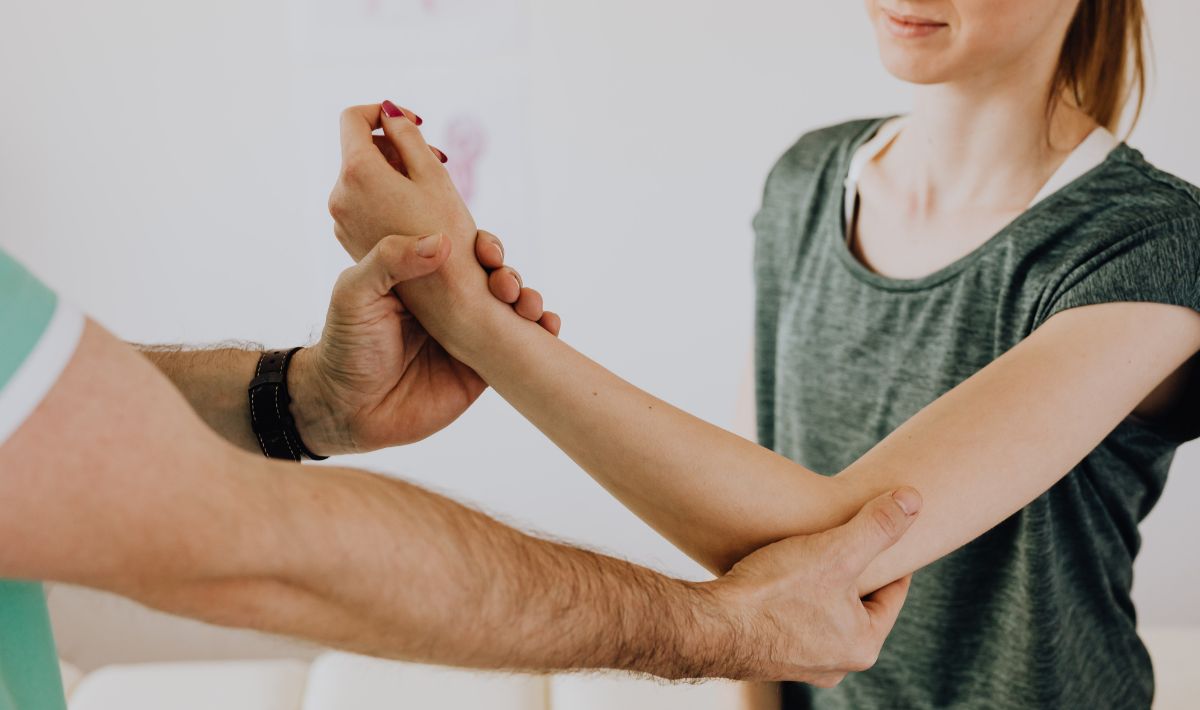
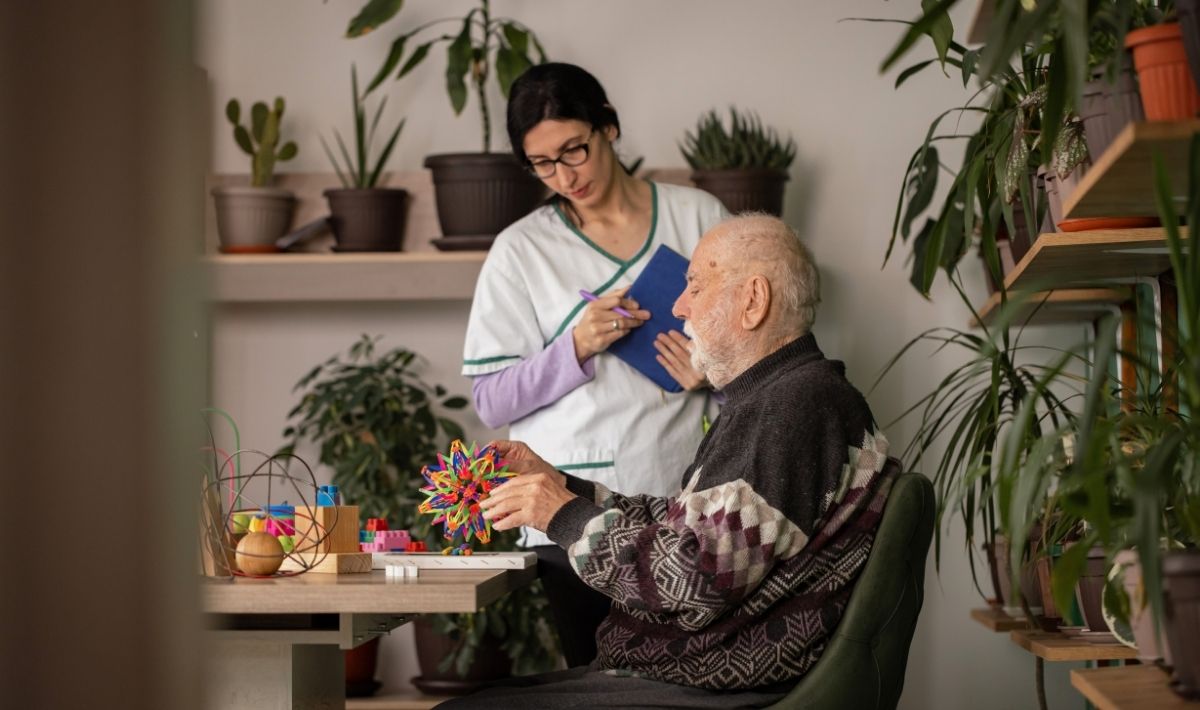
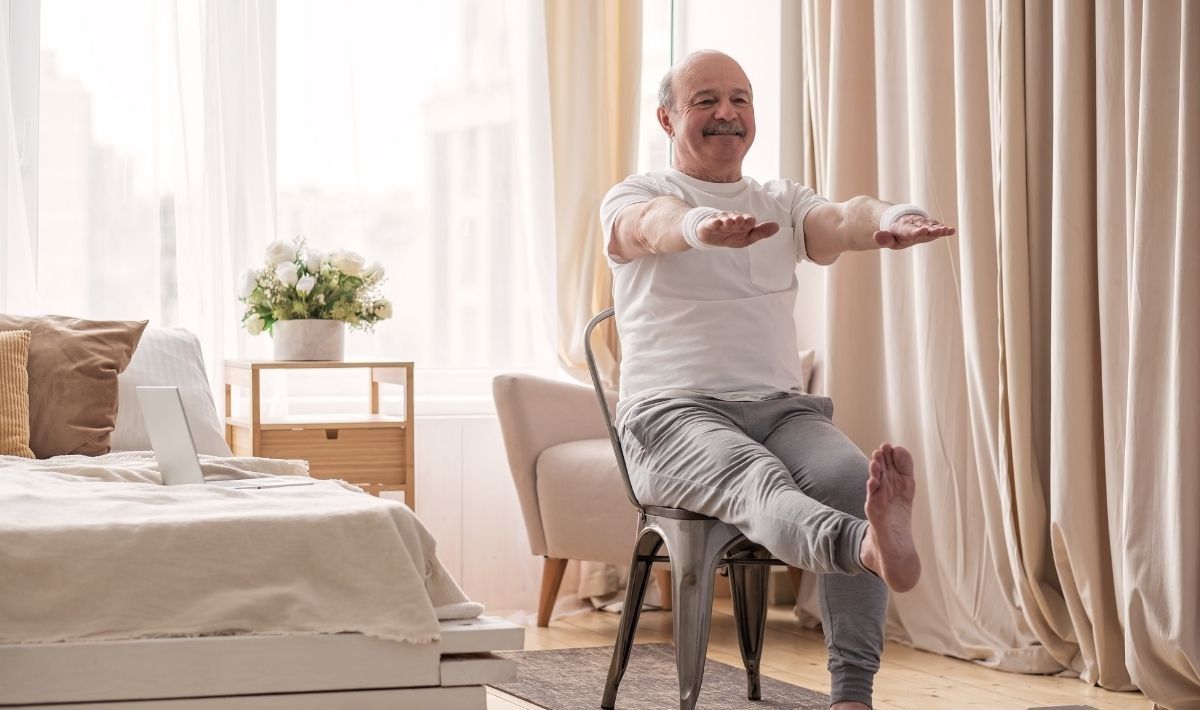
Neurological rehabilitation is one-to-one practice and exercise that can help your brain and body work better together, so walking, transfers and hand use feel clearer and safer.
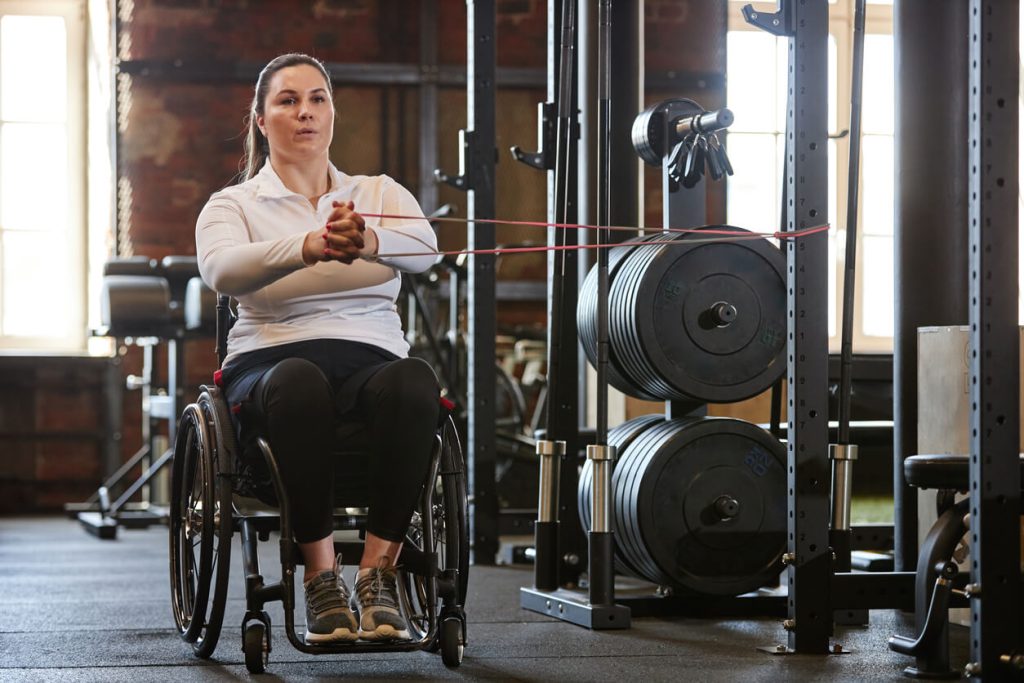

Common worries we can help with
- Not knowing where to start after hospital or community therapy
- Fatigue and how to pace without wiping yourself out
- Freezing or shuffling, and simple cueing, you can use anywhere
- Balance, falls risk and confidence on kerbs, stairs and uneven paths
- Stiffness or spasticity making movement uncomfortable
- Using hands more smoothly for dressing, buttons, cutlery and cooking
- Turning safely in tight spaces and feeling steadier outdoors
- Keeping progress going once NHS therapy ends or becomes less frequent
Your personal neuro rehabilitation plan
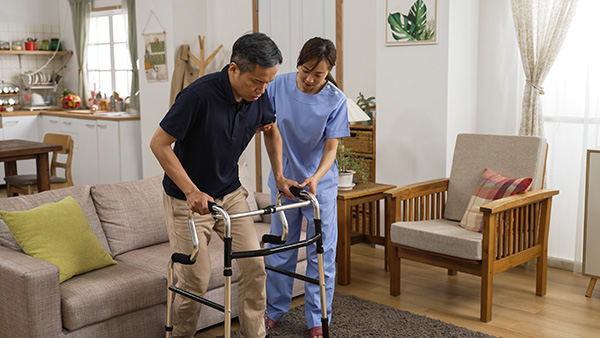
One-to-one neurological rehabilitation focused on the things you actually need to do: walk more steadily, turn and transfer safely, and use your hands with more control.
We use task-specific, repetitive practice to help your brain build useful pathways; external cues and bigger-amplitude moves for Parkinson’s; short work–rest cycles to manage MS fatigue; and balance and gait retraining after stroke or brain injury.
Start with a free 15-minute enquiry call
Not sure where to begin after a stroke, Parkinson’s, MS or a brain injury? Let’s talk first. In a short call, we listen and outline calm first steps that fit your energy and goals. No pressure.
What we cover
- Your condition and stage (e.g., time since stroke, Parkinson’s on/off periods)
- Your priorities: steadier walking, safer transfers, hand use, balance, etc.
- Fatigue, freezing, stiffness or spasticity, and how we’ll pace with work–rest cycles and cueing
- How we keep care joined up with your physio/OT/SLT, with your permission
Prefer to talk now? Call 020 8226 0034
What we work on in sessions
Small, steady steps can add up. These one-to-one sessions help you move better now and protect your independence over time.

Strength
We rebuild usable strength for real life: standing up, climbing stairs, carrying shopping and safer transfers. Strength work also supports joint stability and bone health, and can reduce fatigue across the day.

Mobility & flexibility
We loosen stiffness and manage spasticity so movement feels easier. Better range makes dressing, reaching and turning simpler, with posture that’s more comfortable for longer.

Cardiovascular & balance
Gentle aerobic work supports heart health and stamina so you can walk a bit further without needing a long rest. Balance practice improves postural control and confidence on kerbs, steps and uneven paths, lowering falls risk.

Coordination
We improve smooth, accurate movement for everyday tasks: reaching, grip, finger control and hand use (buttons, cutlery, cups). After a stroke or injury, this helps the two sides of the body work together again.

Motor control & Functional movement
We repeat the moves you actually need: sit-to-stand, bed and car transfers, turning safely in tight spaces, and “walk-and-think” moments. We plan around good days and tougher days, pace for fatigue, and show progress with simple checks you can feel.
How our neurological rehabilitation works
A simple plan, steady support, and clear steps. We start gently and build at your pace, at home or online.

First conversation and gentle movement check
We talk through your health, medications and goals, then do a short movement check you can do in everyday clothes. This helps us agree on what matters most for your walking, balance and daily tasks.

Your personalised plan
We create a straightforward plan for the next few weeks. It covers the things you want to improve (walking, transfers, hand use, balance, stiffness, comfort and fatigue pacing) and fits your routine.

One-to-one sessions
Regular 60-minute sessions, weekly or fortnightly. We adapt on the day for good days and tougher days. Falls prevention is built in, and we use simple strategies like cueing if freezing or shuffling shows up.

Simple home exercises
Short, clear exercises to keep progress going between sessions. Designed for your space and energy, with written or video prompts if you’d like them. No special kit required.
Progress you can see
We track easy measures like sit-to-stand reps, balance time and comfortable walking distance so you can see change. With your permission, we can coordinate with your physio/OT/SLT and update your GP.
Ready to begin? We’ll make the first step easy. Contact us or call 020 8226 0034.
Who we support
If you’re living with a neurological condition and want to walk more confidently, feel steadier and manage daily tasks with more control, this is for you. We work one-to-one at any stage after diagnosis, pacing sessions to your energy on good days and tougher days.
Not sure where you fit? Tell us what you want to get back. We’ll shape the plan around you and, with your permission, coordinate with your physio/OT/SLT. Contact us

“Victoria has been incredibly helpful and empathetic with my husband, who suffers from Parkinson’s. She has managed to get him motivated taking on board what she says, which means he is moving forward in his ability to get his balance and movement back.”
“I found LHF by chance when I was looking for a clinical trainer for my husband Jim who had a major stroke 6 years ago. What a find. It has made such a difference to Jim’s strength and stamina and is allowing him to maintain some independence. Barbara his trainer is patient and understanding and also pushes him when required. We started on one session a week but now have two which frees up some of my time. Can’t recommend enough.”
Why choose Longevity Health & Fitness
Specialists in neurological rehabilitation
Qualified clinical exercise professionals with real experience in stroke, Parkinson’s, MS and brain injury. We know the common hurdles and how to work around them safely.
Home visits in London & Surrey (online everywhere)
Home visits across London, Surrey and nearby areas, with flexible online appointments wherever you are. Not sure if you’re in range? Contact us or call 020 8226 0034 and we’ll confirm.