
Women’s Health FAQs
- Can exercise help with menopause symptoms?
- How does exercise benefit women during menopause?
- How much exercise is recommended for menopausal women?
- What types of exercise are best during menopause?
- How should women approach exercise during menopause?
- Is it safe for pregnant women to exercise?
- What exercises should pregnant women avoid?
- How does pregnancy affect a woman’s health?
- Can exercise help with menopause symptoms?
- How does exercise benefit women during menopause?
- How much exercise is recommended for menopausal women?
- What types of exercise are best during menopause?
- How should women approach exercise during menopause?
- Is it safe for pregnant women to exercise?
- What exercises should pregnant women avoid?
- How does pregnancy affect a woman’s health?
Can exercise help with menopause symptoms?
Absolutely. Regular physical activity can alleviate common menopausal symptoms such as hot flashes, mood swings, and sleep disturbances. Engaging in exercises like walking, yoga, and strength training can also help maintain bone density and muscle mass, which are crucial during this life stage.
How does exercise benefit women during menopause?
Exercise supports hormonal balance, enhances mood through endorphin release, and combats weight gain associated with menopause. Strength training, in particular, can counteract the loss of muscle mass and bone density that often occurs during this period.
How much exercise is recommended for menopausal women?
Aim for at least 150 minutes of moderate-intensity aerobic activity per week, coupled with muscle-strengthening activities on two or more days per week. Incorporating flexibility and balance exercises can also be beneficial.
What types of exercise are best during menopause?
A combination of aerobic exercises (like brisk walking or swimming), strength training (such as resistance band workouts), and flexibility exercises (like yoga or Pilates) can provide comprehensive benefits during menopause.
How should women approach exercise during menopause?
Focus on consistency and variety. Incorporate aerobic activities for cardiovascular health, strength training for muscle and bone health, and flexibility exercises to maintain range of motion. Listening to your body and adjusting intensity as needed is key.
Is it safe for pregnant women to exercise?
Yes, for most women with uncomplicated pregnancies, exercise is safe and beneficial. It can reduce back pain, ease constipation, and may decrease the risk of gestational diabetes and preeclampsia. However, it’s essential to consult with a healthcare provider before starting any new exercise regimen during pregnancy.
What exercises should pregnant women avoid?
Pregnant women should avoid activities that pose a high risk of falling or abdominal trauma, such as contact sports, horseback riding, or downhill skiing. Additionally, exercises that involve lying flat on the back after the first trimester should be approached with caution.
How does pregnancy affect a woman’s health?
Pregnancy induces various physiological changes, including increased blood volume, hormonal fluctuations, and weight gain. These changes can impact cardiovascular health, musculoskeletal function, and metabolic processes. Regular, appropriate exercise can help manage these changes
Women’s health is complex and ever-changing, influenced by everything from hormones and life stages to lifestyle and movement habits. At Longevity Health & Fitness, we understand the unique challenges women face—from managing menstrual health and pregnancy to navigating menopause and beyond. Our personalised approach helps you feel strong, balanced, and supported no matter what phase of life you’re in.
This FAQ page addresses some of the most common questions about women’s health, offering clear guidance on how tailored exercise, education, and lifestyle changes can support your wellbeing at every stage. Whether you’re seeking relief from symptoms or aiming to optimise your health long-term, we’re here to help you move with confidence and vitality.

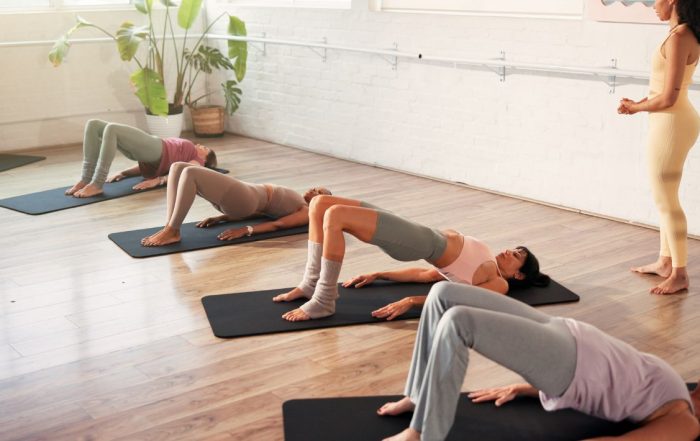
Pelvic Floor, Core, and Confidence: Foundations of Women’s Health
When people discuss women’s health, it’s often approached with an emphasis on appearance or short-term outcomes. At Longevity Health and Fitness, we focus on what allows women to move well, feel supported and stay active [...]

Women’s Heart Health: Why It’s Time to Rethink the Risk
When people think about heart disease, the image that often comes to mind is an older man clutching his chest. However, the reality paints a very different picture. Cardiovascular disease remains the leading cause of [...]

Why Is Strength Training Important For Senior Women?
WOMEN’S BONES AS WE AGE With ageing, a number of natural changes start to occur, many of which can have a significant impact on our bones, strength, balance and overall health. Women tend to experience [...]

What Is a Longevity Clinic?
What is a longevity clinic? What are the benefits, therapies they offer and why does lifestyle still come first? In a world where we track our sleep schedules, test our DNA to determine future risks, [...]
Get in touch
We’re here to help you regain your strength and live your best life. Contact us today to arrange your consultation with one of our exercise professionals.


