
What Are The Four Main Stages Of Osteoarthritis?
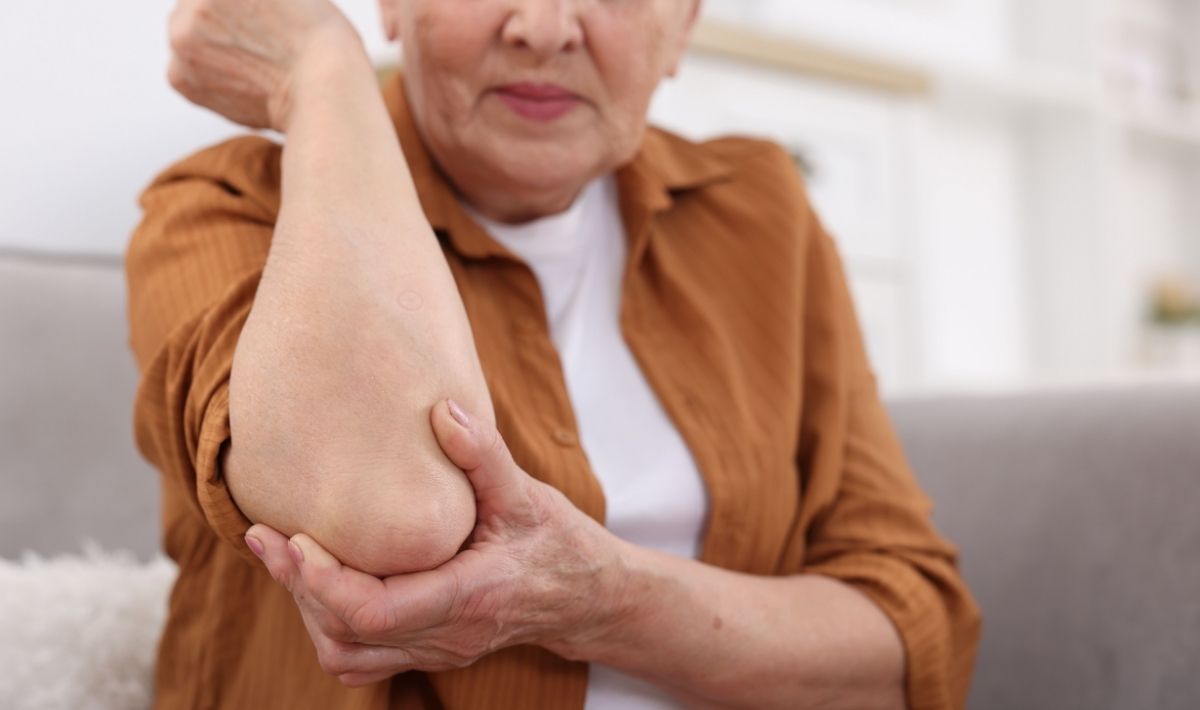
Osteoarthritis, also known as OA, is one of the most common joint conditions worldwide. Understanding the stages of osteoarthritis can help you recognise early symptoms, seek appropriate support and take steps to manage the condition effectively. It develops when the protective cartilage that cushions the ends of bones gradually wears down, leading to joint stiffness, discomfort and reduced mobility.
While OA can affect any joint, it is most commonly seen in the knees, hips, hands and spine. The condition typically progresses through four stages, ranging from mild changes in the joint to more advanced degeneration.
Stage 1: Minor (early osteoarthritis)
The first of the stages of osteoarthritis is considered minor or early OA. At this stage, changes within the joint are very small and may not cause noticeable symptoms.
Cartilage may begin to show early wear, but it still functions effectively to cushion the joint. Small bone growths called osteophytes (bone spurs) may start to form, although they are usually not large enough to cause significant problems.
Most people in this stage are unaware they have osteoarthritis because symptoms are minimal or absent. Occasionally, there may be mild stiffness or slight discomfort after long periods of activity.
Although symptoms are mild, this stage can be an important opportunity to begin strategies that support joint health. Maintaining strength, mobility, and joint stability through appropriate exercise can help slow progression and improve long-term function.
Stage 2: Mild osteoarthritis
In the second stage of osteoarthritis, cartilage begins to thin more noticeably, and bone spurs may become larger. These changes can start to affect how the joint moves.
At this stage, people may begin to experience symptoms such as:
- Occasional joint pain during or after activity
- Mild stiffness, particularly after rest
- Reduced flexibility in the joint
- Slight swelling after physical activity
Daily activities are usually still manageable, but symptoms may start to become more noticeable. For example, you might feel discomfort when walking long distances, climbing stairs or performing repetitive movements.
Exercise can play an important role at this stage. Strengthening the muscles around the joint helps provide additional support and stability, which may reduce stress placed on the joint surfaces.
Stage 3: Moderate osteoarthritis
The third stage is classified as moderate OA. At this stage, cartilage has worn down more significantly, and the space between bones within the joint becomes smaller.
With less cushioning in the joint, bones may begin to move closer together during movement. This can lead to more noticeable and consistent symptoms.
Common signs include:
- Regular joint pain during movement
- Noticeable stiffness, especially in the morning
- Swelling or inflammation around the joint
- Reduced range of motion
- A grinding or cracking sensation during movement
At this stage, everyday tasks may become more difficult. Activities such as walking, bending, or getting up from a chair may start to cause discomfort.
Exercise remains one of the most effective non-surgical strategies for managing symptoms. Targeted strength training, mobility exercises, and low-impact aerobic activity can help improve joint support, reduce pain, and maintain independence.
Stage 4: Severe osteoarthritis
The fourth stage is considered severe OA. By this stage, cartilage has worn away significantly, and the joint space becomes very narrow.
Bone spurs may be larger, and inflammation within the joint may be more pronounced. Movement can become increasingly painful and limited.
Symptoms at this stage may include:
- Persistent joint pain, even at rest
- Significant stiffness
- Reduced mobility and function
- Difficulty performing everyday tasks such as walking, climbing stairs or standing for extended periods
Although symptoms are more advanced, movement and exercise can still provide meaningful benefits. Carefully prescribed exercise can help maintain muscle strength, support joint function, and improve overall quality of life.
In some cases, medical treatments or surgical options may also be discussed depending on symptom severity and how the condition impacts daily life.
Why exercise supports the four stages of osteoarthritis
Although OA is a progressive condition, appropriate exercise can help at each of the four stages. Exercise does not need to wear joints out further when performed correctly. In fact, it helps support the structures around the joint and improve how the joint functions.
Exercise for joint pain can help to:
- Strengthen muscles that support the joint
- Improve mobility and flexibility
- Reduce joint stiffness
- Support balance and stability
- Maintain independence in daily activities
Working with a qualified exercise professional can ensure that exercise is safe, effective and tailored to your individual needs and symptoms. Please download our free osteoarthritis factsheet, with support and advice on how exercise can support you further in managing osteoarthritis.
When to seek support
If joint pain or stiffness is beginning to affect your daily activities, understanding the stages of osteoarthritis can be an important step toward managing the condition.
At Longevity Health and Fitness, our team of certified clinical exercise physiologists prescribe exercises to support joint strength and mobility, improve bone health, manage pain and increase your long term independence. Contact us today to learn how targeted exercise can help you manage osteoarthritis and stay active for longer.


