
What Are The Best Exercises For Women?
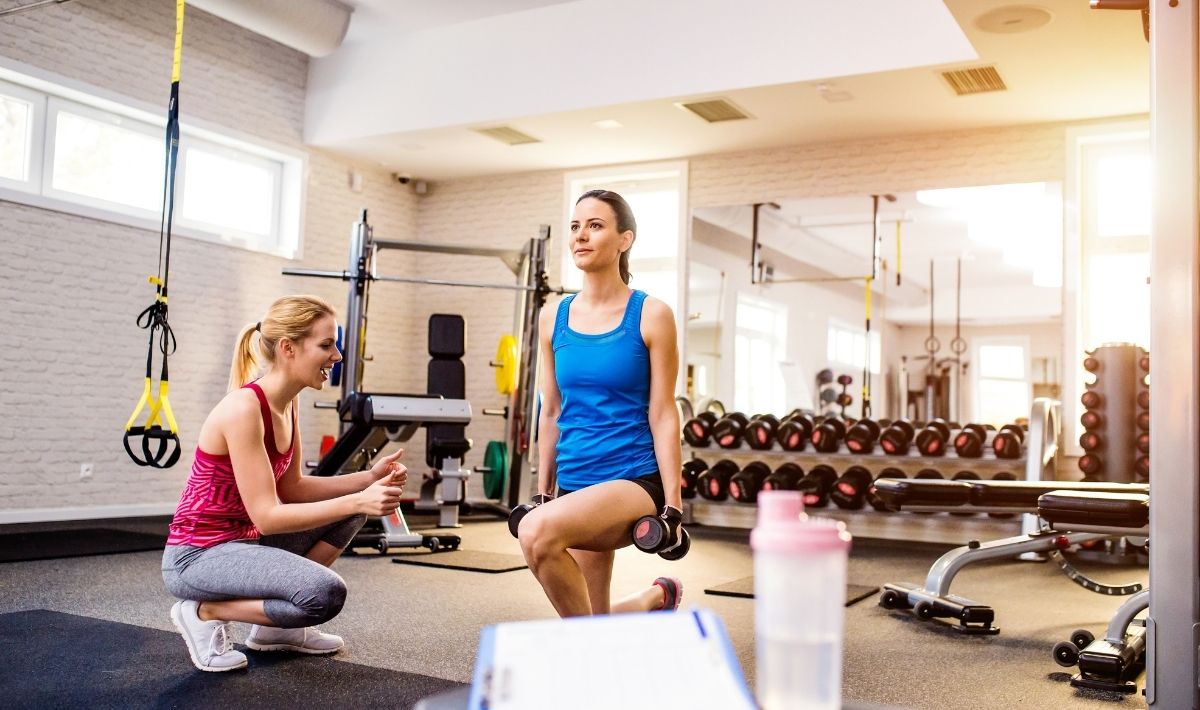
When it comes to exercise and fitness, there is no one-size-fits-all approach, especially for women. Changes in hormones, muscle composition, lifestyle demands and goals all play a role in prescribing the right exercise program. Whether you’re looking to build strength, lose body fat, boost cardiovascular health or simply feel more energetic, choosing the right types of exercise can make a big difference.
So, what are the best exercises for women? From an exercise physiology perspective, the most effective workouts for women include a combination of a range of exercise modes, including strength, cardiovascular, mobility and balance. Having a heavy emphasis on functional movements as well as building consistency and sustainability with your exercise is also vital.
1. Strength training
Gone are the days when lifting weights and completing strength training were men’s activities. Research consistently suggests that strength training is one of the most beneficial forms of exercise for women. It helps increase lean muscle mass, improve bone density, increase metabolism and improve joint function. This form of exercise is particularly important post menopause, when all these factors are significantly impacted due to hormonal changes.
Key strength exercises for women:
- Squats: A compound lower body movement that targets glutes, quadriceps and core. Squats mimic everyday movements, including sitting, standing and lifting, and are a great exercise to improve lower body strength, core stability and support posture.
- Deadlifts: A full body strength exercise that involves lifting a weight from the ground using your legs, glutes, back and core. Deadlifts build strength in posterior chain muscles, which is vital for posture, injury prevention and function.
- Press-ups: A bodyweight upper body exercise that targets strength and core stability. Press-ups can be a great indicator of muscular endurance and can be modified for beginners by completing them against the wall or on your knees on the floor.
- Rows: A pulling movement that targets the back muscles. Rows are a vital exercise in maintaining good posture and can prevent rounded shoulders. This is particularly important with ageing, and is also common due to our regular use of technology in today’s society. This movement can help support shoulder health and spinal alignment.
2. Cardiovascular training
While cardio has long been associated with weight loss, its benefits go far beyond this. Regular aerobic exercise can significantly reduce the risk of cardiovascular disease, as well as improve endurance and support mood and mental health. These are all areas that are particularly important for women as they age.
Key cardiovascular exercises for women:
- Brisk walking or hiking: A low-impact aerobic exercise that can be done almost anywhere. It is one of the most accessible forms of exercise and places minimal stress on joints. It is ideal for improving heart health, mood and calorie burn.
- Running or jogging: A higher-impact aerobic exercise that elevates heart rate and builds endurance. Running is great for cardiovascular fitness and can also help with stress relief. It is best to be introduced in a progressive manner and may not be suitable for all joint conditions.
- Cycling: A low-impact cardio option using a stationary or road bike. Cycling is ideal for those with joint concerns and can help strengthen the leg muscles and also support cardiovascular fitness. It can be great for both interval training and longer-duration endurance sessions.
- High intensity interval training (HIIT): Alternating short bursts of intense exercise with recovery periods. HIIT is a great calorie burner to help improve cardiovascular function and can be more time-efficient than traditional cardio.
- Dance-based fitness: Rhythmic and choreographed workouts to set music can make cardio fun and social. It is also great for coordination, balance and endurance, and of course can be a great mood booster.
3. Mobility and flexibility training
Maintaining flexibility and mobility is crucial for joint health, injury prevention and overall function and performance. Women tend to be more flexible than men in many areas, however, targeted mobility and flexibility work helps maintain this and prevent joint instability.
Key mobility and flexibility exercises for women:
- Dynamic warm-ups: Controlled, movement-based stretches that are usually completed before workouts. Some examples may include leg swings and arm circles. Dynamic stretches activate the muscles, improve range of motion, increase blood flow and prepare your body for movement.
- Yoga or Pilates: Structured forms of movement that combine flexibility, core strength and mindfulness are also important. Yoga promotes flexibility, balance and relaxation, while Pilates emphasises core control, posture and joint alignment. Both are excellent for injury prevention, stress management and body awareness.
- Foam rolling: Using a foam roller to stretch muscles and complete self-myofascial release of tense muscles. This can help relieve muscle tension, improve tissue quality and increase range of motion. Regular foam rolling can reduce soreness and enhance recovery.
4. Balance training
Balance training is one of the most underappreciated yet essential components of fitness, especially for women. As we age, our balance naturally declines, causing an increase in the risk of falls, joint injuries and limitations to our mobility. Hormonal shifts, particularly during menopause, reduced muscle mass, and sedentary habits can also impact coordination and proprioception.
Key balance exercises for women:
- Single-leg stands: Standing on one leg for a set duration, and adding dual tasks to increase difficulty if needed, can improve lower body strength, core engagement and proprioception. It also trains your body to react to sudden changes in movement and is great at helping to prevent falls.
- Heel-to-toe walking: Walking in a straight line by placing one foot directly in front of the other helps train your dynamic and moving balance. It also challenges coordination and trains your muscles and neural pathways that are responsible for balance.
- Ladder or cone exercises: Footwork-based exercises using agility ladders and cone patterns are important for coordination. They can also help with reaction time and lower limb stability to enhance dynamic balance.
The best exercises for women are individualised
The most effective exercises for women are those that fit into your lifestyle, help you reach your goals and are appropriate for your body and its needs. While strength, cardiovascular, mobility and balance training all play major roles, the key factor is finding a routine that you enjoy and can stick with.
If you’re unsure where to begin or want a program tailored for women’s health and your needs, reach out to our team at Longevity Health and Fitness. We can assess your individual capacity, health history and goals to build a safe and effective training plan for you. Your body deserves more than a generic workout. Contact us today to speak with our exercise professionals and start moving with purpose!


