
What is a stroke?
A stroke occurs when the blood supply to part of the brain is interrupted, either by a blockage (ischaemic stroke) or bleeding (haemorrhagic stroke). This disrupts brain function and can lead to problems with movement, speech, and cognitive abilities.
Longevity Health and Fitness provides a personalised rehabilitation approach for stroke recovery, targeting both the physical and neurological aspects of recovery. Our programmes focus on improving mobility, strength, coordination, and balance through evidence-based exercises tailored to your individual needs.
What causes a stroke?
Strokes are typically caused by either a blockage in the arteries that supply blood to the brain (ischaemic stroke) or bleeding in or around the brain (haemorrhagic stroke).
Common risk factors include high blood pressure, high cholesterol, diabetes, smoking, and a sedentary lifestyle.
At Longevity Health and Fitness, we reduce stroke risk through cardiovascular fitness, strength training, and lifestyle coaching — all designed to improve heart health, circulation, and overall wellbeing.
How to recover from a stroke quickly?
Early, consistent rehabilitation is key to faster stroke recovery. Our multidisciplinary approach combines physical therapy, targeted exercises, and functional training to help you regain motor skills and mobility.
- Movement Therapy: Exercises to improve motor control and regain lost movement patterns.
- Strength Training: Build muscle strength to support weakened areas.
- Balance & Coordination: Enhance stability and reduce fall risk.
- Functional Exercises: Restore independence in daily tasks like walking, standing, and sitting.
How to prevent a stroke?
Stroke prevention starts with addressing lifestyle factors like high blood pressure, poor diet, inactivity, and smoking.
- Cardiovascular Fitness: Aerobic activities to improve heart health and reduce blood pressure.
- Strength & Flexibility: Build resilience in muscles and joints.
- Nutritional Guidance: Heart-healthy eating to lower cholesterol and improve circulation.
By reducing key risk factors, our programmes support long-term brain and heart health.
How long does it take to recover from a stroke?
Recovery time varies depending on stroke severity and brain area affected. Some may see improvements within months, while others need long-term support.
- Long-Term Rehabilitation Plans: Regular assessments and adjustments as you progress.
- Targeted Movement Training: Retraining specific functions like walking or hand movement.
- Physical Conditioning: Preventing muscle atrophy and supporting better mobility.
Can you recover from a stroke?
Yes — many people recover, though outcomes vary. Early and ongoing rehabilitation improves chances of regaining mobility and independence.
- Personalised Exercise Regimes: Targeting strength, balance, and coordination.
- Neurological Rehabilitation: Leveraging brain plasticity to restore connections.
- Community Support: Encouragement and shared progress in a supportive environment.
How to recover from a stroke faster?
Speeding up recovery requires early intervention, structured rehab, and progressive challenges.
- Intensity-Driven Exercise: Increasing difficulty over time to build strength and stimulate the brain.
- Functional Training: Practising real-life movements for independence.
- Personalised Physiotherapy: Targeting specific weaknesses caused by the stroke.
We focus on both short-term improvements and long-term stability for sustained recovery.
Recovering from a stroke is about more than just regaining movement — it’s about restoring independence, confidence, and quality of life. Clinical exercise plays a vital role in this journey, helping improve mobility, balance, and cardiovascular health while reducing the risk of future strokes. With the right support, tailored activity plans, and safe progression, stroke survivors can rebuild strength, enhance coordination, and reclaim everyday function. Explore the FAQs below for practical, evidence-based advice on staying active after a stroke.

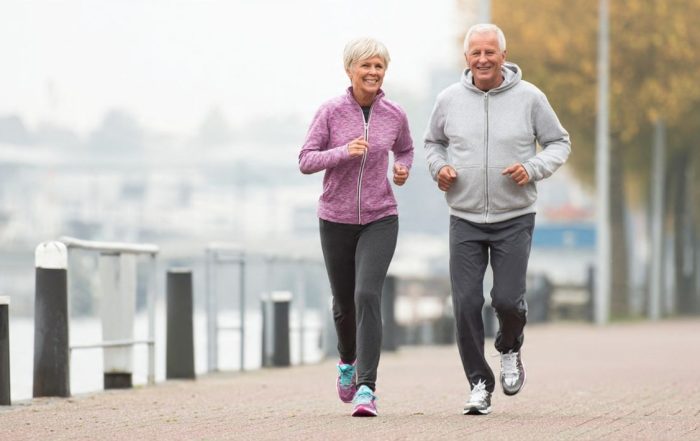
No More Excuses: Practical Solutions to Stay Active at Any Age
We all know that regular physical activity is essential for good health, but somehow, life always manages to get in the way. Work commitments, family responsibilities, injuries and even lack of motivation can make it [...]

What Does A Clinical Exercise Physiologist Do?
When people think of healthcare, they often think of doctors, physiotherapists or dieticians. But there’s another highly skilled professional playing a crucial role in preventing and managing chronic disease: the clinical exercise physiologist. These professionals [...]
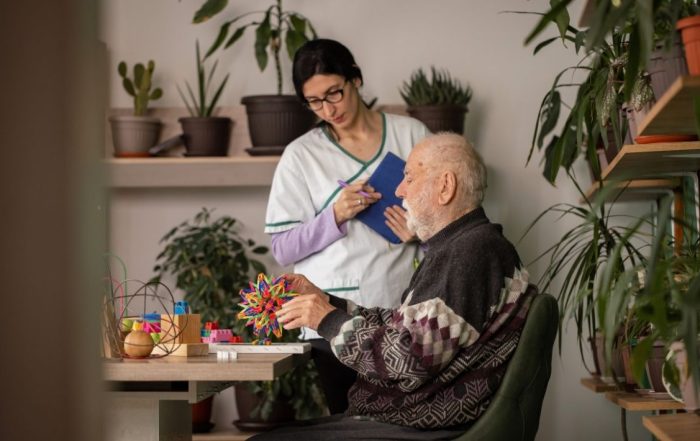
Dementia vs Alzheimer’s: 3 Key Differences
When it comes to cognitive health, the difference between Dementia and Alzheimer’s is a topic that confuses many. While the terms can often be used interchangeably, they do in fact refer to different things. In [...]
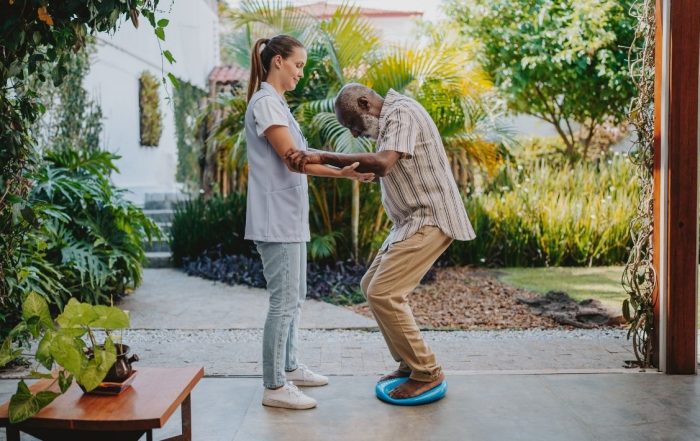
Physiotherapist vs Physiologist: Five Key Differences
When experiencing pain, injury or changes in physical function, many people are often unsure which healthcare professional they should see. Two roles that are often confused are physiotherapist vs physiologist. Both professionals work to improve [...]
Get in touch
We’re here to help you regain your strength and live your best life. Contact us today to arrange your consultation with one of our exercise professionals.


