
Strength Training After 60: Exercises to Stay Strong and Independent
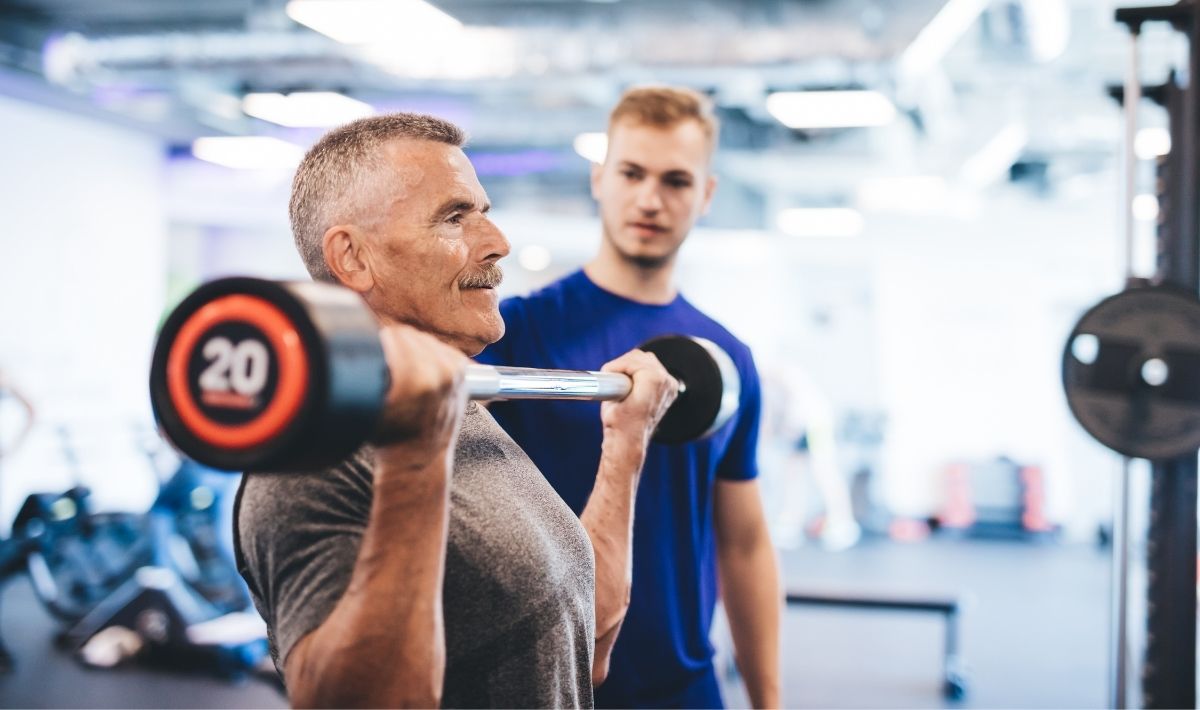
Ageing is inevitable, but losing strength, mobility and independence doesn’t have to be. Strength training after 60 is one of the most effective ways to maintain muscle mass, protect your joints, improve balance and maintain your ability to live life on your own terms. Whether you’re just getting started or returning to exercise after a break, the right approach to strength training can help you stay strong and independent for years to come.
Why strength training matters after 60
As we age, we naturally lose muscle mass and strength, a process known as sarcopenia. In fact, adults can lose up to 5% of their muscle mass per decade after the age of 30 if they are inactive. This decline affects a wide range of factors, including balance, coordination, metabolism and overall functional capacity. The good news? Strength training for older adults can slow, stop or even reverse this process.
Building and maintaining muscle through regular strength training improves:
- Bone density: reduces the risk of osteoporosis and fractures
- Joint stability: helps prevent falls and injuries, and improves balance
- Metabolic rate: supports healthy weight management
- Independence: making daily tasks easier
More than just physical benefits, strength training also supports mental health, improves sleep, and can boost overall confidence, important factors in staying strong and independent throughout the later years of life.
Is it safe to start strength training after 60?
Absolutely. Strength training is not only safe but highly recommended for older adults. Research shows that people in their 60s, 70s, 80s or older can build muscle and strength with proper training. The key is adapting the training to your current level and progressing appropriately.
With the right guidance, strength training is safer than being sedentary. The risk of falls and injuries actually goes down when you strengthen your muscles and joints.
How to start strength training in your 60s and beyond
Check in with your healthcare team
Before starting any new exercise program, it can be helpful to talk to your healthcare team, especially if you have an injury or chronic condition, including arthritis, diabetes or heart disease.
Work with a professional
A qualified exercise physiologist has experience working with older adults as well as those with chronic conditions and injuries, and can help you build a program that’s safe, effective and enjoyable.
Start with the basics
You don’t need heavy weights or fancy machines to start. Bodyweight exercises, resistance bands or light dumbbells are excellent starting tools. Once you have built a foundation, you can progress the weight and resistance as this is what will help build muscle mass and bone density.
Simple and functional exercises
Here are some safe and effective exercises to get started. All of these can be modified based on your current ability and capacity. You can start with 2 sets of 8-10 repetitions of each exercise.
- Sit to stand
This movement strengthens your legs and glutes. Start by standing in front of a sturdy chair, then lower your body slowly to sit, then stand back up. Try to keep your knees behind your toes and your back straight.
- Wall or kitchen counter push-ups
Push-ups strengthen your chest, shoulders and triceps. Start by facing a wall or counter with your arms extended and hands shoulder-width apart. Bend your elbows and lean towards the wall or counter, then push back up until your elbows are straight.
- Seated row with resistance band
Row movements strengthen your upper back and arms and are great for posture and shoulder stability. Sit tall on a chair with your body away from the back of the chair and loop a resistance band around a sturdy object in front of you (e.g. railing of the staircase). Hold one end of the band in each hand and have your arms out straight in front of you at shoulder height. Pull the band towards your body by bending your elbows and squeezing your shoulder blades together. Slowly return to the starting position. Try to keep your back straight and body still to avoid leaning.
- Step ups
This exercise builds strength in your legs and helps improve balance. Use a low, sturdy step or staircase. Step up with one foot, then bring the other foot up to meet it. Step back down one foot at a time. Try to keep your body upright and focus on controlled movement. Use a railing or wall for support if needed.
- Overhead press with light dumbbells or cans
An overhead press strengthens your shoulders and arms. Start by holding a dumbbell or can in each hand at shoulder height with your palms facing forward. Press both arms straight up overhead so your elbows are next to your ears. Slowly lower them back down. Try to keep your core engaged and avoid arching your back.
- Calf raises
This movement strengthens your lower legs and can also help with balance. Stand behind a chair or near a counter for support. Slowly rise up onto the balls of your feet, lifting your heels off the ground. Pause at the top, then slowly lower back down with control. Keep your movements steady and even.
Tips to stay strong and independent
- Warm up before each session: 5-10 minutes of light activity, including walking and dynamic stretches, is important to make sure your body is ready to exercise and to decrease injury risk.
- Listen to your body: Discomfort is okay, but pain is not. Modify or stop any movement that feels wrong.
- Add in aerobic and flexibility exercise: Strength training is just one piece of the puzzle. Exercises including walking, cycling and swimming are important for cardiovascular health, and stretching or yoga helps with flexibility.
- Track your progress: Make note of improvements in reps, resistance or even ease of daily tasks. It’s motivating to see progress, especially when it supports your independence.
- Make it enjoyable: Strength training doesn’t have to be done in a gym. You can train at home with some equipment, or even with friends or family for added fun and accountability.
It’s never too late to begin strength training. In fact, starting in your 60s may be one of the most important health decisions you can make. With a safe and progressive approach, you’ll build not only muscle but confidence and longevity.
The goal isn’t to lift extreme weights or train like an athlete, it’s to stay strong and independent so you can enjoy life on your terms. Whether it’s keeping up with the grandchildren, gardening, travelling, or simply moving without pain, strength training can help you get there.
Are you ready to take control of your health and stay strong and independent well into your 70s, 80s and beyond? There’s no better time to start than now. Contact us today to get in touch with one of our fitness trainers for the elderly who understands your unique needs and can tailor a senior exercise program just for you. Your body and your future self will thank you.


