
Parkinson’s and Movement: Why Exercise is Essential for Managing Symptoms
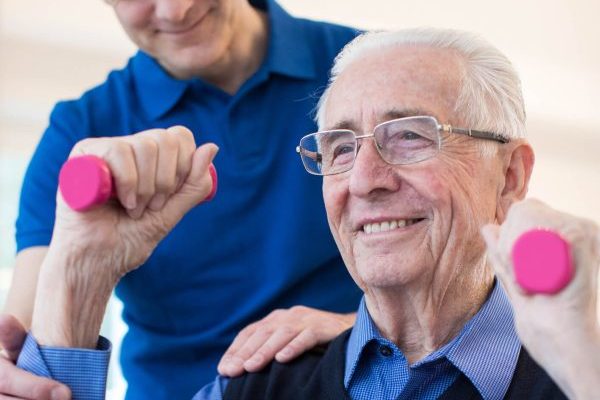
Parkinson’s disease often results in gradual symptoms such as tremors, stiffness, and slowed movement. As these symptoms progress, they can undermine confidence and make daily tasks more challenging. Reduced mobility may cause some individuals to decrease their activity levels, leading to additional physical decline and a greater reliance on others.
A crucial aspect often overlooked in Parkinson’s management is the role of exercise. When conducted under clinical guidance, exercise is both safe and one of the most effective non-pharmacological treatments.
Understanding the Impact of Parkinson’s
Parkinson’s is the fastest-growing neurological disorder globally. In the UK, approximately one in 500 people are affected. Although it is primarily linked with tremors and movement challenges, Parkinson’s also impacts mood, memory, sleep, and cognitive functions.
Guidance from the National Institute for Health and Care Excellence (NICE) underlines the importance of incorporating exercise into a comprehensive care plan, highlighting strength and balance training. Similarly, the European Physiotherapy Guidelines for Parkinson’s Disease advocate for early and targeted physical activity to enhance gait, posture, and minimise fall risks.
Research in journals including Neurorehabilitation and Neural Repair indicates that regular, structured exercise can aid brain plasticity. This neuroplasticity allows the brain to build new connections, potentially slowing the progression of symptoms.
The Role of Exercise in Parkinson’s Management
Exercise offers benefits across physical, neurological, and psychological areas for those with Parkinson’s. An individualised programme can:
- Improve coordination and walking pace
- Lower fall risk by bolstering balance and limb strength
- Enhance joint mobility and reduce stiffness
- Boost mood and alleviate inactivity-related apathy
- Foster better posture and lessen spinal rigidity
Crucially, exercise stimulates the brain’s adaptability. Movement helps not just in maintaining muscle tone but also in constructing alternative neural pathways to safeguard functionality.
The Necessity of Personalised Support
While widely beneficial, not all exercise suits everyone with Parkinson’s. Symptoms vary daily, influenced by factors including freezing episodes, energy levels, balance issues, and medication timing.
This variability emphasises the need for clinical supervision. A generic exercise regime might not accommodate these fluctuations, potentially causing fatigue or frustration.
Our Approach at Longevity Health and Fitness
At Longevity Health and Fitness, we support those with Parkinson’s through individualised exercise interventions. Our process starts with a comprehensive clinical assessment, followed by bespoke programming that is adapted over time as needs change.
The Process of Tailored Support
We thoroughly assess:
- Current motor and non-motor symptoms
- Balance, gait, and posture
- Daily challenges and personal movement aspirations
- Medication scheduling and energy patterns
This informs a safe, personalised exercise strategy tailored to your requirements.
Customised Exercise Regimens
Our Parkinson’s programmes typically incorporate:
- Resistance training for muscle preservation and joint stability
- Balance exercises simulating real-life tasks
- Walking drills with cueing techniques for freezing
- Dual-task exercises for cognitive and motor coordination
- Aerobic routines for cardiovascular and brain health
We continuously monitor your exercise responses, adjusting plans for easier or more challenging days.
Continuous Practical Support
We offer ongoing education and support, including:
- Guidance on safe home exercises and movement routines
- Recommendations for pacing, rest, and recovery
- Strategies for managing symptoms in daily life
- Regular progress tracking and functional assessments
Our team collaborates closely with other healthcare professionals, including neurologists, physiotherapists, and Parkinson’s nurses, ensuring coordinated and comprehensive care.
The Long-Term Benefits of Movement
Exercise transcends physical activity; it improves confidence, reduces falls, enhances mood, and supports independence. For Parkinson’s patients, an individualised exercise schedule can make daily life more manageable and less stressful.
If you or a loved one has Parkinson’s, explore our Parkinson’s services to understand how clinical exercise can assist. For personalised advice, contact our team to discuss your situation and how we can aid your goals.


