
From Sitting to Moving: How to Reduce Sedentary Time and Boost Longevity
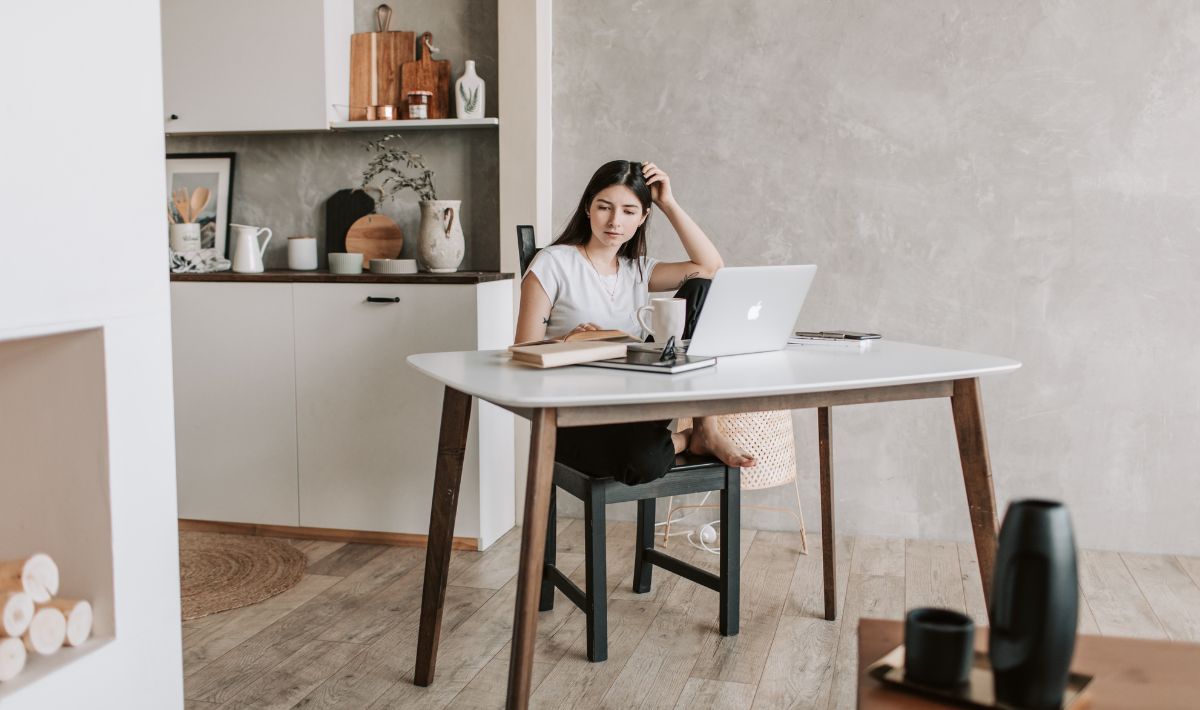
In today’s digital and convenience-driven world, prolonged sitting and sedentary behaviour have become the new norm. Whether you’re at your desk, on the couch or even in the car, it’s easy to spend the majority of your day in a seated position. While this might seem harmless at the time, growing evidence suggests that too much sitting can slowly take a toll on your health. The good news is you can take steps today to reduce sedentary time and behaviour and, in doing so, boost longevity.
Why being sedentary is a problem
A sedentary lifestyle is defined by excessive sitting or lying down with minimal physical activity. Studies have linked prolonged sedentary time with a wide range of health issues, including:
- Cardiovascular disease
- Type 2 diabetes
- Obesity
- Certain cancers
- Musculoskeletal issues
- Mental health conditions, including depression and anxiety
Even if you’re working out a few times a week, long periods of inactivity can still put you at risk. Research shows that being sedentary for more than 6-8 hours per day can have negative impacts on your health, even if you exercise. This is a good reminder that it’s not just about exercising, it’s about finding ways to reduce sedentary time throughout the day.
The link between movement and longevity
So how does movement help boost longevity? Regular physical activity improves cardiovascular health, regulates blood sugar, supports metabolic function, strengthens muscles and bones, and enhances mental well-being. All of these benefits contribute to a longer, healthier life.
But longevity isn’t just about adding years to your life, it’s about adding quality to those years. Reducing sedentary time helps maintain mobility, independence and cognition as you age.
How to reduce sedentary time and behaviour in daily life
You don’t have to overhaul your life to make meaningful changes. Small, consistent adjustments to your daily routine can have a big impact. Here are some practical tips to help you reduce sedentary time and get your body moving throughout the day.
Move every 30-60 minutes
Set a timer, use a smartwatch, or create a visual reminder to get up and move regularly. Even a short 5 minute activity, including stretching, walking or light mobility exercises, can significantly improve circulation and reduce stiffness.
Tip: March on the spot, do shoulder rolls, or walk a few laps around your living room or office.
Break up screen time
Whether you’re watching TV, working on a computer or scrolling on your phone, it’s easy to lose track of time. Make a habit of standing or moving during commercial breaks, between episodes or after each task.
Make routine activities more active
Daily tasks like cooking, cleaning, gardening or tidying up can be opportunities for movement. Instead of viewing these as chores, think about them as a good way to stay active throughout the day. You can also be intentional about adding movement to your social time. Whether you’re on the phone, video chatting or meeting in person, look for ways to pair it with light activity.
Create a movement-friendly environment
Keep reminders or movement cues in plain sight. Examples may include a yoga mat by the couch, a walking stick by the door or a checklist of daily movement goals on the fridge. If it’s visible, you’re more likely to do it.
Get outside daily
Spending time outdoors is a greater motivator for movement. A short walk around the block, a few minutes in the garden, or even standing outside to stretch gives you some fresh air, light exposure and encouragement to move.
Track your movement – step count goal
Using a smartwatch, phone or movement log can help raise awareness of how much, or how little, you’re moving each day. You don’t have to go straight to aiming for 10,000 steps. Even small gradual increases can make a difference. Focus on your progress and celebrate the small wins.
How much sitting is too much sitting?
There’s no universally agreed upon safe limit for sitting, however, many health experts recommend keeping total sedentary time to under 8 hours per day. More importantly, it’s about breaking up your sitting time with frequent movement. Research shows that even 2-5 minutes of light activity every 30 minutes can decrease the risks associated with long periods of sitting.
Exercise is great, but what about the other 23 hours of your day?
While reducing sedentary behaviour is critical, it doesn’t replace the need for regular exercise. It is important to have a balance between the two, where structured exercise can allow you to work on more specific goals and incidental activity can help decrease your sedentary time. Both the NHS and World Health Organisation recommend that adults complete at least 150 minutes of moderate intensity exercise across the week, including two sessions of resistance training to target all major muscle groups. It is important to start with small increases and gradually increase your exercise time over the week. This is also a beneficial way to build consistent habits that will stick in the long term.
A combination of regular exercise and reduced sedentary time is the best way to boost longevity and maintain overall health.
The bottom line
As important as regular structured exercise is, it’s not the only way you can reduce your sedentary habits, you just need to be intentional. Moving more and sitting less is one of the most accessible and impactful things you can do for your health. From walking breaks to active chores, there are countless ways to integrate movement into your daily routine. By committing to small changes, you can reduce sedentary time, boost longevity and enjoy a healthier, more active lifestyle.
Ready to take control of your health? At Longevity Health and Fitness, we don’t just help with structured and supervised exercise. We can give you guidance and recommendations on what movements you can add to your week to help you reach your goals and build an active lifestyle.
If you’re unsure where to start or need guidance tailored to your lifestyle, working with an exercise professional can make all the difference. We specialise in helping people of all ages and fitness levels to reduce sedentary habits, improve mobility and build sustainable routines that support their long term health. Take the next step towards a healthier, more active life by speaking with us today. Let us help you build a plan that works for you, your body, your goals and your lifestyle.


