
Five Tips For Improving Women’s Health At Any Age
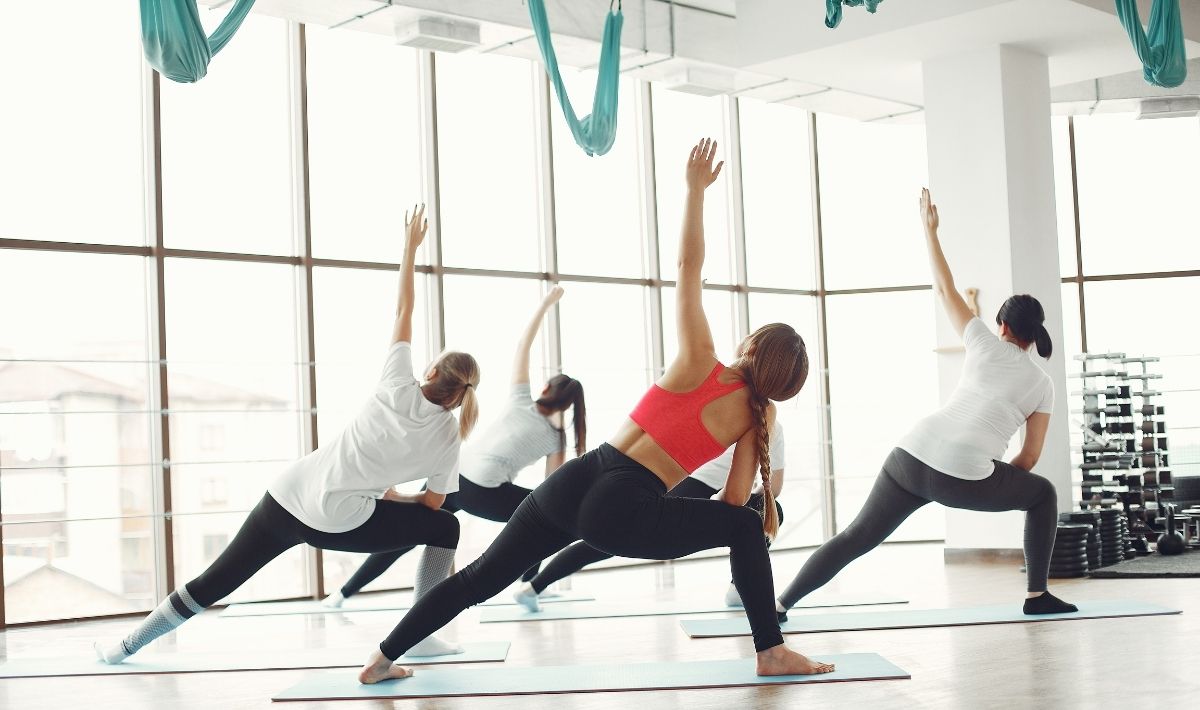
When it comes to health and fitness, women have unique physiological needs and challenges that change across each life stage. From hormonal shifts during adolescence and pregnancy to changes during menopause and beyond, improving women’s health can require a targeted and holistic approach. The good news is, it’s never too late or too early to take charge, no matter your age.
Whether you’re looking to improve your energy levels, build strength or simply feel better day to day, these five tips for improving women’s health can help guide you in the right direction.
1. Prioritise strength training
There have long been common misconceptions that resistance training is only for athletes or younger individuals, and can make you bulky or cause injury. Current evidence suggests that strength training is one of the most effective ways in improving women’s health in all life stages.
From the age of 30 onwards, women naturally begin to lose muscle mass and bone density, two key components of a healthy and functional body. Incorporating strength training at least 2x per week helps prevent these declines by:
- Increasing lean muscle mass
- Improving bone health and density
- Increasing metabolism
- Improving posture and joint stability
Whether you’re using resistance bands, free weights or completing bodyweight exercises, building strength improves everyday function and long term quality of life. It has also been linked to lowering the risk of cardiovascular disease, diabetes and depression, all of which are prevalent amongst women.
2. Balance hormones through nutrition and movement
Hormones play a central role in women’s health, impacting everything from energy levels to emotional well-being and metabolic function. Lifestyle factors, particularly physical activity, can significantly support optimal hormone balance. Here are some tips:
- Healthy, well-balanced diet: What you eat has a direct impact on your energy levels, hormonal health, mood and overall performance. Having a sustainable eating pattern that provides steady energy, fuels your body, supports recovery and repair and promotes long term health is vital for overall wellbeing.
- Regular and consistent exercise: Consistent exercise helps you feel better physically and mentally, supporting your body’s natural functions and building a strong foundation for long term health. Moving regularly helps with energy, mood and mental clarity, sleep, heart health and overall physical function.
3. Prioritise mental health and stress management
Life nowadays is fast-paced, and many women juggle a multitude of roles in their personal and professional lives. Chronic stress doesn’t just take a toll on your mind, it has far-reaching effects on your physical health as well.
Higher levels of stress can be associated with a weakened immune system, hormone imbalances, poor sleep, weight gain and increased risk of health complications. Improving women’s health requires putting energy into both your physical and mental wellness. Some great strategies can include:
- Regular mindfulness and meditation
- Spending time outdoors and in nature
- Getting quality sleep
- Seeking help from support networks and health professionals when needed
Exercise itself has been found to boost mood due to its ability to cause endorphin release as well as regulate stress hormones like cortisol. Even 20 minutes or smaller bouts of moderate intensity activity, including walking, swimming and cycling, can have a significant impact on mental wellbeing.
4. Get regular health screenings
Preventative care can be essential in every life stage. Routine health screenings not only help catch potential issues early but also give you a baseline to measure progress over time.
Depending on your age and medical history, some important screenings for women’s health may include:
- Blood pressure and cholesterol levels
- Pap smears and pelvic exams
- Mammograms (starting at 40 unless risk factors are present)
- Bone density tests
- Blood glucose and insulin sensitivity tests
- Thyroid function panels
Depending on your goals, body composition assessments can also be helpful to provide more accurate information than BMI alone. Regular check-ins with healthcare and exercise professionals can ensure that your sessions and strategies are appropriate for you and your current health status, capacity and goals.
5. Build sustainable and enjoyable habits
One major obstacle in improving women’s health is the ‘all or nothing’ mindset. Extreme diets, punishing workouts and unrealistic expectations can lead to burnout, injury and lack of routine.
Instead, it is important to focus on building sustainable and enjoyable habits that support your lifestyle’s long-term goals and health. Here are some tips:
- Choose movement you enjoy: Whether it’s dancing, hiking or strength training, consistency is easier when you love what you’re doing.
- Set realistic goals: Progress isn’t always linear. Remember to celebrate the small wins like increased energy, improved sleep or better mood.
- Plan your week: Life is unpredictable, but scheduling your exercise like any other appointment will make sure you get it done. When it’s in your calendar, treat it as a non-negotiable and avoid letting other tasks take its place.
- Get support: Surround yourself with a positive health network. This can include friends, healthcare professionals and more, who encourage you and help hold you accountable.
Don’t forget, true wellness and wellbeing isn’t just about what you do, it’s about how you think and feel as well.
Improving women’s health is a lifelong journey and not a one-time fix. By incorporating strength training, supporting your hormone balance, managing stress, staying on top of preventative care and building sustainable habits, women can build a foundation and routine that works for them in the long term.
Whether you’re in your 20s navigating hormonal changes, in your 40s balancing career and family, or in your 60s focusing on mobility and independence, these strategies can adapt with you to help you feel strong, capable and energised at any age.
Ready to take control of your health? Reach out to our team of exercise professionals by contacting us and start your individualised journey towards better well-being.


