
Can you exercise with breast cancer?
Absolutely—but it should be adapted to your stage of treatment and current energy levels. Even gentle movement can help reduce joint stiffness, improve circulation, and support immune function.
We create breast cancer-specific fitness plans that adjust to how your body feels, whether you’re pre-surgery, mid-treatment, or in remission.
How does exercise affect cancer?
Exercise reduces inflammation, improves hormonal regulation, enhances circulation, and strengthens the immune system. It also contributes to better sleep, appetite regulation, and psychological wellbeing—critical factors in cancer recovery.
At Longevity, we incorporate mindful movement strategies that reflect how exercise can affect cancer outcomes positively, without overwhelming the body.
What exercise is good for cancer patients?
Ideal exercises include low-impact walking, light resistance training, seated mobility routines, and restorative practices like yoga or Pilates. The goal is to maintain strength and movement without causing fatigue.
We tailor these activities for each client to safely support energy, stability, and recovery.
Is movement important after cancer treatment?
Yes. Post-treatment exercise supports long-term recovery by rebuilding muscle mass, reducing recurrence risk, and enhancing cardiovascular health. It also plays a role in reversing treatment-induced deconditioning.
Our post-rehab programmes focus on rebuilding with purpose—supporting the return to daily activity and independence.
Does chemotherapy-induced fatigue mean I should rest or move?
While rest is essential, light movement often helps combat persistent fatigue more effectively than inactivity. Even short walks or gentle stretching can improve energy levels and reduce stiffness.
At Longevity, we provide low-energy, restorative movement plans specifically for those dealing with cancer-related fatigue.
Can exercise improve treatment side effects?
Yes, regular exercise can help ease side effects such as neuropathy, nausea, joint pain, and sleep disruption. It also supports emotional health, helping manage anxiety and depression that can arise during cancer care.
We work closely with clients to track their symptoms and adjust exercise plans accordingly for maximum comfort and benefit.
How does exercise support immune function during cancer treatment?
Exercise enhances circulation and helps immune cells move more efficiently through the body, increasing their ability to detect and destroy abnormal cells. However, intensity must be carefully managed.
Our approach prioritises immune-safe training, helping you stay active without compromising recovery or resistance.
Are there any types of exercise to avoid during cancer treatment?
Yes. High-impact, high-intensity, or heavily loaded movements may not be safe depending on your condition, treatment stage, and side effects. Individuals with low immunity, bone metastases, or fatigue should be especially cautious.
We identify what to avoid and replace it with safe, joint-friendly movement that keeps you progressing.
Facing cancer can bring uncertainty and challenges, but it doesn’t mean you have to pause your life or give up on feeling strong. At Longevity Health & Fitness, we offer personalised support to help you maintain mobility, manage treatment side effects, and rebuild your strength—whether you’re currently undergoing treatment or in recovery.
This FAQ page covers the questions we often hear about how exercise and tailored movement can play a vital role throughout your cancer journey. We explain how physical activity supports your body’s resilience, reduces fatigue, and improves overall wellbeing.
Our approach combines expert knowledge with compassionate care, providing you with safe, effective programmes designed around your unique needs and goals. With the right guidance, you can regain control, boost your confidence, and improve your quality of life—step by step.

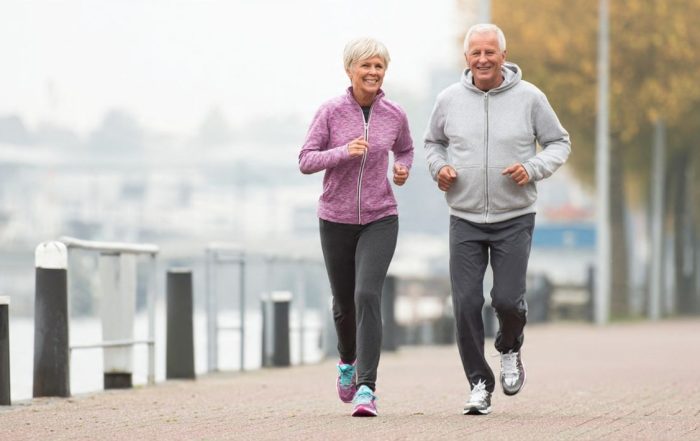
No More Excuses: Practical Solutions to Stay Active at Any Age
We all know that regular physical activity is essential for good health, but somehow, life always manages to get in the way. Work commitments, family responsibilities, injuries and even lack of motivation can make it [...]

What Does A Clinical Exercise Physiologist Do?
When people think of healthcare, they often think of doctors, physiotherapists or dieticians. But there’s another highly skilled professional playing a crucial role in preventing and managing chronic disease: the clinical exercise physiologist. These professionals [...]
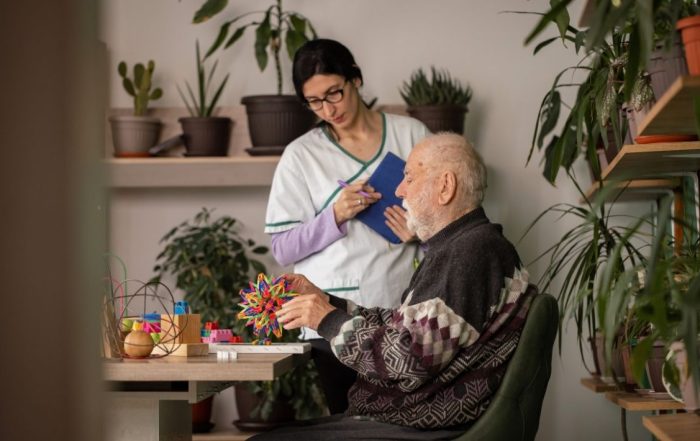
Dementia vs Alzheimer’s: 3 Key Differences
When it comes to cognitive health, the difference between Dementia and Alzheimer’s is a topic that confuses many. While the terms can often be used interchangeably, they do in fact refer to different things. In [...]
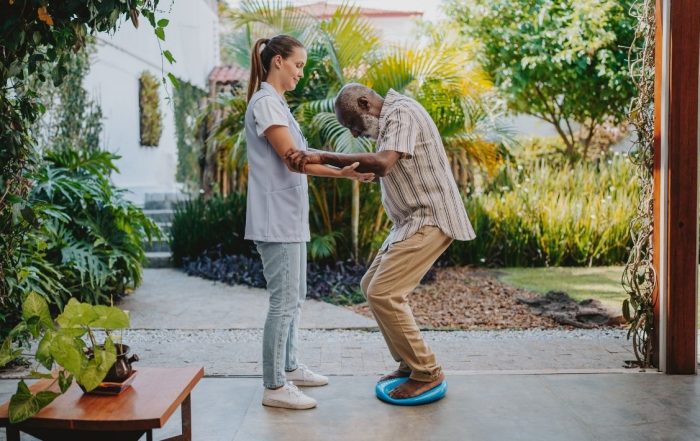
Physiotherapist vs Physiologist: Five Key Differences
When experiencing pain, injury or changes in physical function, many people are often unsure which healthcare professional they should see. Two roles that are often confused are physiotherapist vs physiologist. Both professionals work to improve [...]
Get in touch
We’re here to help you regain your strength and live your best life. Contact us today to arrange your consultation with one of our exercise professionals.


