
7 Physiotherapy Exercises To Treat Knee Pain At Home
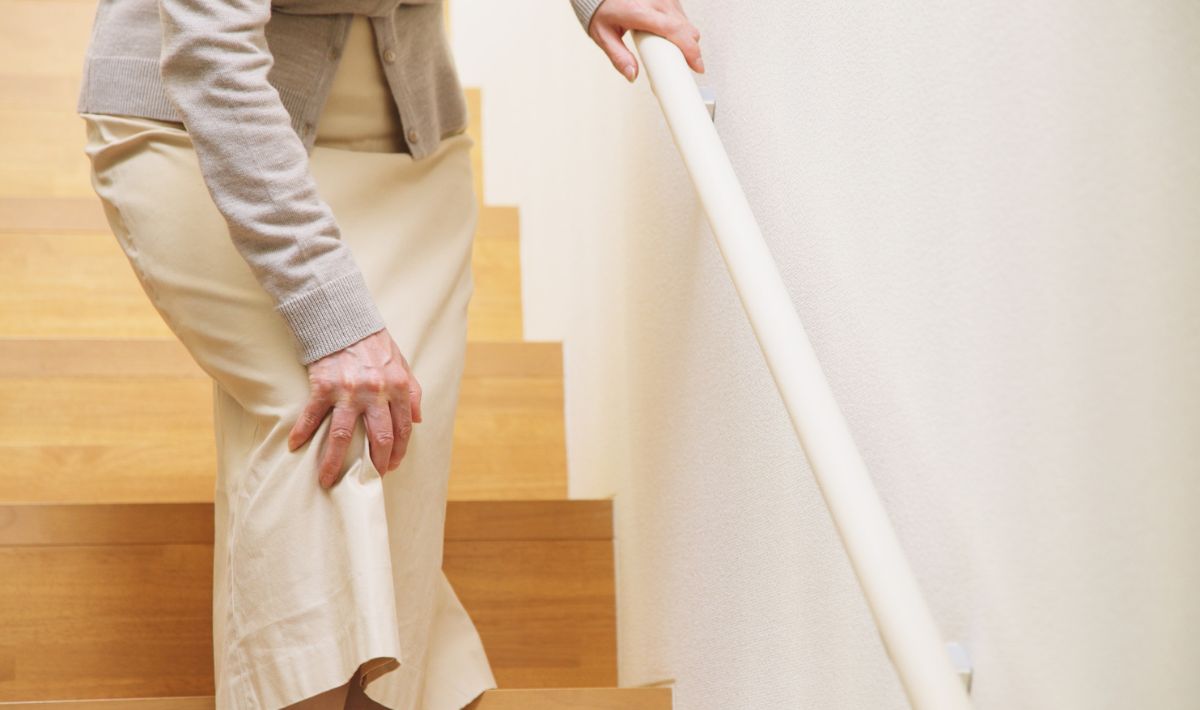
Knee pain is one of the most common musculoskeletal issues across all age groups. Whether it’s due to a flare-up after returning to exercise, stiffness that has built throughout the workday or discomfort that arises when walking downstairs, knee pain can quickly impact your confidence and quality of life. But, there’s good news! In many cases, the right physiotherapy exercises can significantly reduce discomfort, rebuild strength and help you treat knee pain at home safely and effectively.
At Longevity Health and Fitness, we see time and time again how movement, when targeted and progressive, is one of the most effective tools for long-term knee health. In this blog, we will go through seven practical, evidence-based exercises you can use to treat knee pain at home.
Why exercise matters for knee pain
Our knees don’t just work in isolation. They rely on strength and coordination from a combination of surrounding muscles, including quadriceps, hamstrings, glutes and calves. When these muscles are weak or underactive, the knee joint absorbs more stress than it’s designed to handle. Effective physiotherapy exercises help to:
- Increase joint support
- Reduce excessive load through knees
- Improve movement control
- Decrease pain and sensitivity over time
- Rebuild confidence and ability with daily activities
Consistency matters more than intensity. These exercises should feel manageable and controlled, not forced.
1. Quadricep squeezes
Rebuilding quad strength is vital when working to treat knee pain at home. This exercise is non-weight bearing and uses little range of motion in the knee, so is a great place to start if pain levels are high.
How to do it:
Sit or lie with your leg straight. Tighten the muscles at the front of your thigh by pressing the back of your knee gently into the floor or bed. Hold for 5-10 seconds, then relax. Repeat 10-15 times.
Benefits:
- Activates and strengthens quads
- Supports knee stability
- Reduces stiffness after periods of rest
2. Straight leg raises
This exercise also builds strength in your leg muscles without placing too much load on the knee joint. It’s particularly useful if bending the knee feels uncomfortable.
How to do it:
Lie on your back with one knee bent and the other leg straight. Tighten your thigh muscle and slowly lift the straight leg to the height of the opposite knee. Lower with control. Perform 8-12 repetitions.
Benefits:
- Strengthens the quad muscles without excessive knee bend
- Improves hip stability
- Builds early stage strength safely
3. Seated knee extensions
This exercise works the quadriceps through a greater range of motion. It helps restore strength needed for walking and stairs.
How to do it:
Sit upright in a chair. Slowly straighten one knee until your leg is fully extended, hold briefly, then lower back down. Complete 10-15 repetitions on each side.
Benefits:
- Strengthens quadriceps through range
- Improves knee control
- Assists with walking and climbing stairs
4. Standing hamstring curls
The hamstrings support the knee from the back and help control bending movements. Strengthening them balances the work of the quadriceps.
How to do it:
Stand holding onto a wall or chair for balance. Bend one knee, bringing your heel towards your glutes, then slowly lower it back down. Complete 10-12 repetitions per side.
Benefits:
- Strengthens the hamstrings
- Improves knee control during walking
- Supports joint stability
5. Glute bridges
Strong hips reduce stress travelling into the knee. This exercise focuses on glute strength and lower limb alignment.
How to do it:
Lie on your back with knees bent and feet flat on the floor. Press through your heels and lift your hips until your body forms a straight line from shoulders to knees. Lower slowly. Perform 10-12 repetitions.
Benefits:
- Strengthens glute muscles
- Reduces inward knee collapse
- Improves lower limb alignment and walking ability
6. Sit to stand
This is a functional strengthening movement that directly transfers into daily life. This movement does place more load through the knees, so it’s important to progress towards it gradually.
How to do it:
Sit on a chair with feet hip-width apart. Lean slightly forward and stand up using control, then sit back down slowly. Start with 8-10 repetitions.
Benefits:
- Builds functional leg strength
- Improves balance and control
- Increases confidence with daily tasks
If you need, you can use a chair with armrests and use your hands to support yourself initially. Aim to reduce assistance as your strength improves.
7. Step ups
Step-ups are another functional exercise that mimics climbing stairs. This exercise also places considerable load through the knee. Begin with a low step and focus on control.
How to do it:
Using a low step, place one foot on the step and press through your heel to lift your body up. Step down slowly. Complete 8-10 repetitions per side.
Benefits:
- Strengthens quads and glutes
- Improves stair tolerance
- Improves joint control under load
Single-leg strength and balance are essential for long-term knee health. Improving these qualities reduces the risk of falls and builds confidence in uneven or unpredictable environments.
How often should you do these exercises?
To effectively treat knee pain at home, aim to perform these physiotherapy exercises three to four times per week. Although mild muscle fatigue is normal, sharp and worsening pain is not. If adding in exercise for the first time, or after having some time away, your body may take some time to adjust. It’s normal to have some joint pain and stiffness after completing exercise, however, we want to find a balance where you can progress your exercises but not excessively exacerbate pain or symptoms.
A helpful guide is to keep discomfort during exercise at a tolerable level (approx. 4 out of 10 pain) and ensure symptoms settle within 24 hours. Progression is key. As strength improves and exercises start to become easier, resistance, repetitions and complexity can gradually increase.
When to seek additional support
While many cases of knee pain respond well to structured and consistent exercise, professional guidance is important if you experience:
- Persistent swelling
- Locking or catching sensations
- Sudden instability
- Pain that worsens despite rest and exercise
- Inability to complete daily activities and stay independent
- Recent trauma
A clinical exercise physiologist is trained to assess your movement patterns, identify contributing factors and individualise physiotherapy exercises specific to your needs.
The bigger picture: long-term knee health
Short-term symptom relief is only part of the solution. While medications, including pain killers and anti-inflammatories, can relieve pain, to truly treat your knee pain, regain function and prevent recurrence, it’s important to consider:
- Overall strength and conditioning
- Gradual return to activity
- Load management
- Bodyweight and lifestyle factors
- Movement technique
Knee pain often develops gradually, and recovery follows the same principle. It’s not always going to be a smooth path. Sustainable progress comes from structured, consistent effort, not quick fixes.
What about knee replacement?
Knee replacement surgery can be life-changing when symptoms are severe. However, it is typically considered when pain significantly impacts your ability to complete everyday tasks such as walking short distances, sleeping, or managing basic activities of daily living, despite appropriate conservative management.
For many people, structured physiotherapy exercises and progressive strengthening can delay or even prevent the need for surgery. Improving muscle strength, joint stability and load tolerance often reduces pain to a manageable level. The key is addressing the problem early and consistently.
Ready to strengthen your knees with confidence?
If knee pain is limiting your exercise, work or daily routine, you don’t have to navigate it alone. At Longevity Health and Fitness, we design and deliver personalised, evidence-based programmes that help you treat knee pain at home safely, while building long-term strength and resilience. Contact us today to book an appointment and take the first step towards moving with confidence again.


