Staying active with osteoporosis
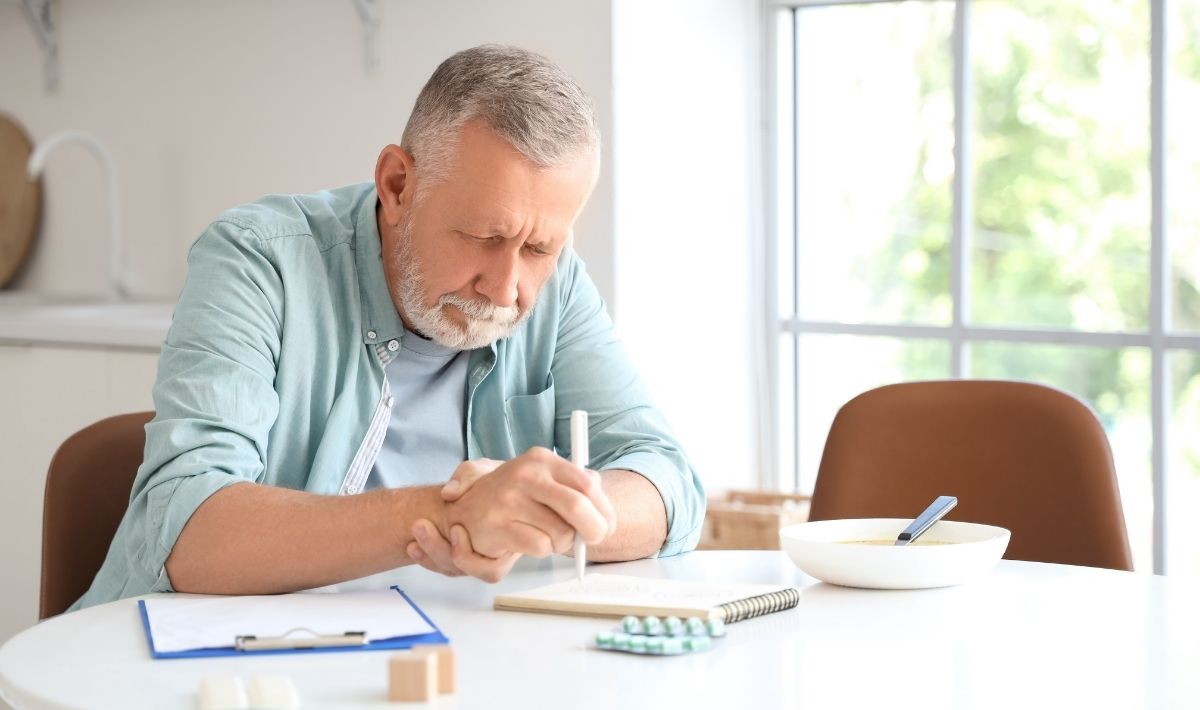
Many people with osteoporosis are told to “be careful,” but not always shown how to move well. That uncertainty can turn into fear. You might find yourself avoiding certain activities or second-guessing yourself with everyday tasks.
The right kind of exercise can help break that cycle. When movement is well chosen and paced, it supports bone health, strengthens the muscles that protect your joints, and improves balance. Most importantly, it helps you feel more confident in your body again.
Common situations we support
People often come to us when an osteoporosis diagnosis changes how they feel about movement. You might recognise yourself here:
- Feeling unsure what exercise is safe or sensible
- Worrying about falling, especially on stairs or uneven ground
- Moving less because confidence has dipped
- Feeling weaker through the legs, hips, or back
- Wanting to stay independent and active long-term
- Concerned about balance, posture, or past fractures
- Preferring one-to-one support rather than figuring things out alone
Start with a free 15-minute enquiry call
Not sure where to begin? Let’s talk first.
We’ll listen to what you’ve been told, understand how you’re feeling about movement, and outline a simple first step that fits your body and confidence right now. No pressure – just clear, practical guidance.
Prefer to talk now? Call 020 8226 0034
What we work on in sessions
Our osteoporosis workouts focus on four key areas that help protect bone health, reduce falls risk and support everyday confidence. Everything is tailored to your ability, balance and comfort on the day.

Strength
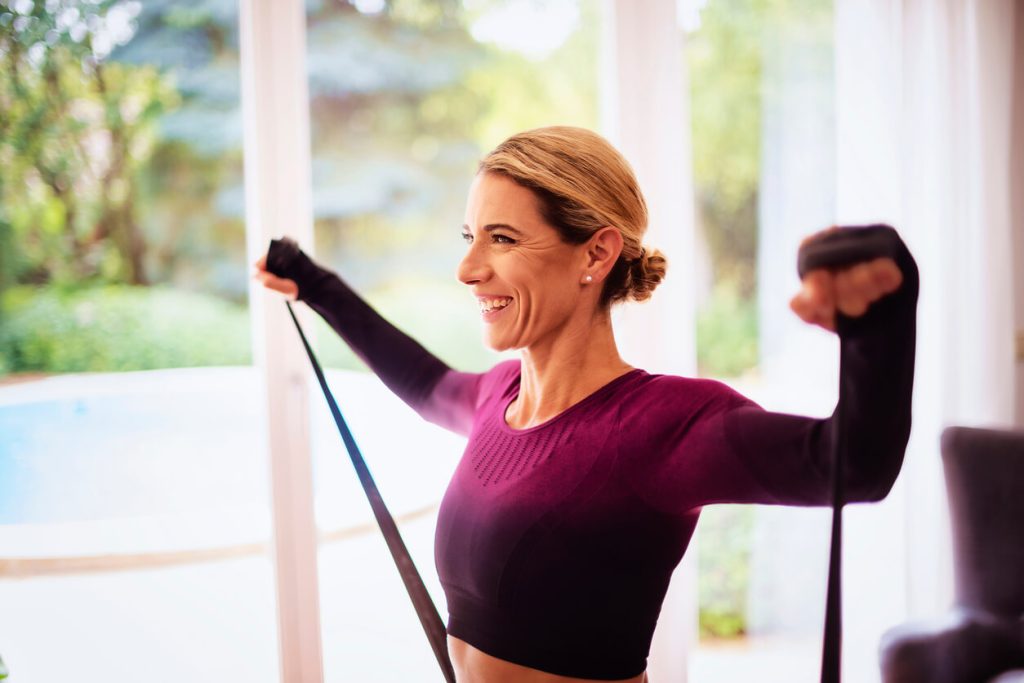
Strength training is one of the most important parts of osteoporosis treatment. We use controlled weight-bearing exercises to strengthen the muscles around your hips, legs, spine, and arms. This helps support your bones better. Movements are chosen carefully and progressed gradually to build strength without unnecessary strain.

Balance
Better balance means fewer falls and greater confidence in everyday movement. We use straightforward balance exercises to boost stability and coordination. This helps you feel steadier on stairs, uneven ground, and during everyday activities.

Cardiovascular
Gentle cardiovascular exercise, such as walking, supports overall health, circulation and independence. We keep this steady and suitable for osteoporosis. We focus on consistency, not intensity, so movement feels safe and sustainable.
Impact exercises
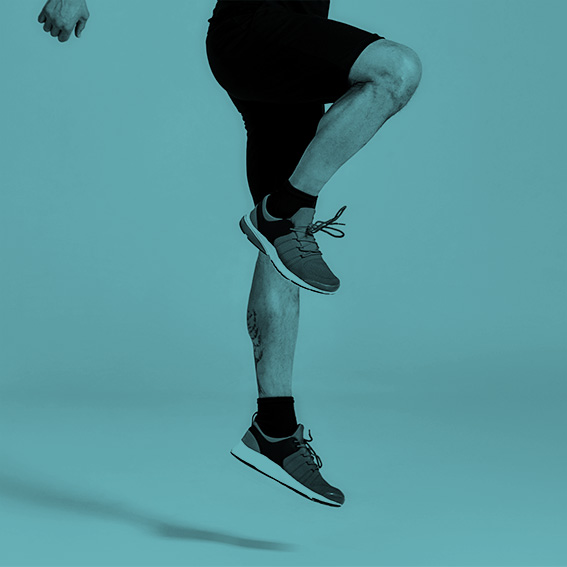
Impact exercises including jogging, jumping and heel slams are another beneficial form of exercise to improve bone strength. These exercises stimulate bone formation and encourage bone building processes.

“The team at Longevity have helped me feel more confident in the gym and has also been very supportive in educating me on the background of osteoporosis and how exercise helps, and they are always ready to answer any questions I have on how or what I need to do.”
“After a DEXA scan revealed I was borderline between osteopenia and osteoporosis, I sought expert guidance to safely build strength and bone density. Maisie has been incredibly supportive, helping me start gently with the right exercises, very different from what I expected! Thanks to her advice, I now confidently lift weights at home and feel stronger than ever. Her knowledge and guidance have been invaluable!”
How our osteoporosis exercise programmes work
A clear plan, steady guidance and safe progress. Every step is designed to help you build strength, improve balance and protect your bones, at home or online.

Initial consultation and assessment
We’ll begin with a relaxed chat about your osteoporosis diagnosis. We’ll discuss any past fractures, your medication, and how confident you feel day-to-day. You’ll try some gentle movements in your everyday clothes. This helps us assess your strength, balance, and mobility. Together, we’ll set clear priorities that feel sensible and reassuring.

Your personalised plan
Your plan includes strength, balance, and cardio exercises. These support bone health and lower the risk of falls. Everything is customised to fit your ability, comfort, and daily routine. You’ll understand what to do, what to avoid, and how to safely progress over time.

One-to-one sessions
Regular 60-minute sessions, weekly or fortnightly, at home or online. We guide each session carefully, adjusting exercises to how you feel on the day. You are never rushed or pushed beyond what feels safe. Progress is steady and confidence builds naturally.

Home practice &
check-ins
Simple exercises between sessions keep you active without stress. You don’t need any special equipment. We regularly check your progress and, with your permission, can work with your GP or healthcare team. This way, your exercise plan supports your overall osteoporosis treatment.
Services for osteoporosis
Why choose Longevity Health & Fitness
At Longevity Health and Fitness, we specialise in supporting people with long-term and complex health conditions through safe, personalised exercise programs. Every program is designed around you, your condition, your energy levels, and your day-to-day reality. Our focus is on meaningful progress, helping you move better, feel stronger, and maintain independence, with care that adapts as your needs change. We work collaboratively with healthcare professionals when needed, ensuring your exercise plan fits seamlessly alongside your wider care.
Home visits in London & Surrey (online everywhere)
Home visits across London, Surrey and nearby areas, with flexible online appointments wherever you are. Not sure if you’re in range? Contact us or call 020 8226 0034 and we’ll confirm.