What is Physiotherapy?

Physiotherapy helps assess what’s going on in your body, reduce pain, and guide safe early recovery. It’s often the first step after injury, surgery, illness, or a new diagnosis.

How it helps

Physical function

  • Build strength for everyday tasks

  • Ease joint pain and stiffness

  • Improve mobility and walking
  • Support balance and steadiness
Heart and metabolic health

Heart health

  • Support blood pressure management
  • Help circulation and overall heart health
  • Build stamina and day-to-day energy
  • Support blood sugar control
Mind and mood

Mind and mood

  • Build confidence in movement
  • Help with anxiety and low mood
  • Support focus and cognitive function
  • Increase resilience in daily life
senior male and female running through a park

Common things we help you navigate

Many people reach out to us feeling uncertain about their needs. We regularly support people who:

  • Have pain, stiffness or reduced movement that hasn’t settled
  • Are recovering from surgery or a hospital stay
  • Have been given exercises but don’t feel confident doing them alone
  • Feel weaker or less steady after injury, illness or time off activity
  • Want to recover properly, not just “manage” symptoms
  • Have been told they need physiotherapy but don’t know what that involves
  • Are worried about doing the wrong thing or making things worse

Physiotherapy and clinical exercise

Physiotherapy is often the right first step when something new has happened. That might be a recent injury, surgery, diagnosis or flare-up. A physiotherapy assessment helps us understand what’s driving your symptoms, what needs care, and what you can safely start building back.

In many cases, once pain is under control and movement is returning, ongoing progress comes from structured clinical exercise. This is where strength, confidence and function are rebuilt over time.

Our role is to guide you through that process. If you need a physiotherapy assessment, we start there. If what you need is longer-term clinical exercise, we transition you seamlessly. You don’t need to work that out on your own, we’ll help you take the right next step.
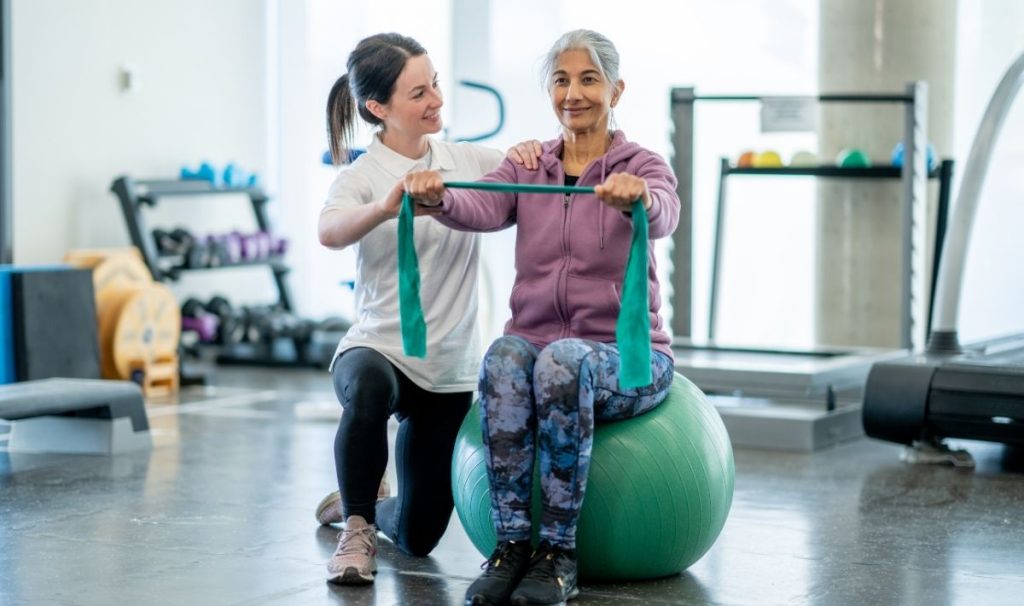
Clinical Exercise Physiologist vs Physiotherapist Understanding The Key Differences

Start with a free 15-minute enquiry call

If you’re not sure if you need physiotherapy, clinical exercise, or something else, a quick chat can help. We’ll discuss your symptoms or recovery and guide you on the best support options.

Prefer to talk now? Call 020 8226 0034

Physiotherapy can help with

Heart and
circulation

Support for people managing heart conditions, high blood pressure or reduced exercise tolerance. Physiotherapy focuses on safe movement, confidence and early-stage activity while respecting medical guidance.

Musculoskeletal pain and injury

Joint pain, back pain, soft tissue injuries or stiffness affecting daily movement. Physiotherapy helps reduce pain, restore movement and guide safe return to activity.

Neurological
conditions

Stroke recovery, Parkinson’s disease, multiple sclerosis (MS) and other neurological conditions. Focus on balance, coordination, walking and functional movement to support independence.

Metabolic health

Support for people with Type 2 diabetes or pre-diabetes who need guidance on moving safely, managing fatigue and building activity confidence alongside medical care.

General health and deconditioning

Reduced strength, stamina or confidence after illness, injury or long periods of inactivity. Physiotherapy helps you move again safely and rebuild basic capacity.

Cancer care

Before, during or after treatment. Gentle physiotherapy helps manage fatigue, keeps you moving, and supports recovery with medical treatment.

Post-surgery rehabilitation

Early-stage recovery after joint replacement, spinal, abdominal or other surgery. Physiotherapy focuses on restoring movement, strength and confidence while protecting healing tissue.

If you’re unsure where you fit, that’s completely normal. Physiotherapy usually begins with an assessment and clear guidance. Then, it moves into longer-term rehabilitation when the time is right.

How our clinical exercise programmes work

Our personalised plans start where you are and build at your pace. From your first consultation to regular one-to-one sessions and simple at-home exercises, every step is designed to help you move more comfortably, build strength and confidence, and progress safely and steadily.

Initial consultation and assessment

A relaxed chat about your health history, medications and goals, plus a gentle movement check you can do in everyday clothes. We agree on priorities together.

Personalised
plan

A clear plan built around what matters to you, focusing on strength, mobility, cardiovascular fitness and balance. It fits your routine and any medical considerations.

One-to-one
sessions

Regular sessions at home or a suitable local space. We adjust to how you’re feeling on the day and progress steadily. Suitable for chronic disease management, post-surgery exercise and joint pain support.

Home Practising
check-ins

Short, simple exercises to keep you moving between sessions. We check what’s changing, tune the plan, and (with your permission) liaise with your GP, physio or consultant so care stays joined up

“Was looking for someone to help my elderly mum with physio—she has a pretty extensive medical history, including vascular dementia—so finding the right fit was really important. We were lucky to come across Longevity Health and Fitness. Jamie was absolutely brilliant with Mum. He was super attentive, really took the time to understand her needs, and always worked at her pace. You could tell he genuinely cared. Mum would always greet him with a big smile, and with his support, she stayed determined and motivated throughout.”

Asma

“My sessions with Patience have helped me considerably. She is an extremely pleasant person who is not only knowledgeable in her field, but also encouraging and motivating. She was able to explain what each exercise would do to improve my stability and balance and the reasons for this. She also provided me with diagrams to remind me what exercises I should continue to do in between my face to face sessions with her. I would recommend her unreservedly as a physiotherapist”

Susan

Why choose Longevity Health & Fitness

You’ll work with qualified professionals who understand injury, recovery and long-term health conditions. Our team includes physiotherapists and clinical exercise specialists who work closely together, so your care is informed, safe and appropriate at every stage.

Clear guidance from day one

Many people come to us unsure what they need. We carefully assess your situation, explain what’s happening, and provide clear advice on the best next step. This could be physiotherapy, ongoing rehabilitation, or structured exercise support.

Focused on recovery, not just symptoms

Physiotherapy isn’t just about easing pain in the moment. We aim to restore your movement, confidence, and function. This way, you can safely return to daily activities and feel more capable in the long run.

One-to-one support, at home or online

All sessions are delivered one-to-one, either in your home or online. This lets us customise everything to fit your space, your pace, and your goals, so there’s no pressure like in a clinic.

Joined-up care when needed

With your permission, we can liaise with your GP, consultant or wider healthcare team. This makes sure your physiotherapy matches your medical care and any ongoing treatments or rehab plans.

What progress can look like

Donna came to Longevity Health & Fitness following a left-sided stroke, which resulted in weakness, reduced balance, and a loss of fine motor control. At the start of her rehabilitation, Donna was reliant on a walking stick, lost the ability to write, draw, or play the cello, and was experiencing brain fog and reduced cognitive clarity. Having previously been very active and independent, the sudden loss of mobility and confidence had a significant emotional impact.

Donna

After a series of falls left one of our 96-year-old clients bed-bound, his family were unsure if progress was possible.

Within weeks of starting tailored clinical exercise sessions, he was able to stand, walk the length of the house with his walker, and no longer needed carers during the day to use the commode. Improved upper body and core strength also meant he could change sleeping positions unaided.

Brian, 96

Bhanu, in her 50s, came to Longevity Health and Fitness following a diagnosis of Parkinson’s disease. At the time, she was experiencing challenges with balance, coordination, and hand and finger dexterity, which were beginning to affect her confidence with everyday tasks both inside and outside the home. Activities that required fine motor control, such as preparing food, felt increasingly difficult, and mobility tasks required more thought and effort.

Bhanu, 50s

Physiotherapy FAQs

Physiotherapy is usually the starting point. It helps identify the problem, guide early recovery and ensure it’s safe to move forward.

Clinical exercise is what often follows. It focuses on ongoing rehabilitation, rebuilding strength, mobility, balance and confidence through structured, progressive exercise.

In simple terms:

  • Physiotherapy helps you understand what’s going on
  • Clinical exercise helps you keep improving over time

Many people only need a short period of physiotherapy, then benefit more from continued clinical exercise support.

That depends on where you are in your recovery.

You may benefit from physiotherapy if you:

  • Have a new injury or pain
  • Have recently had surgery
  • Have just been diagnosed with a condition
  • Have been discharged from hospital or specialist care

You may benefit more from clinical exercise if you:

  • Have ongoing weakness, stiffness or reduced confidence
  • Need long-term support to keep progressing
  • Want to improve strength, balance or fitness safely
  • Have completed physiotherapy but don’t feel “finished”

If you’re unsure, we’ll help you decide. Many people contact us asking for physiotherapy and are best supported with clinical exercise instead.

Yes, and this is often the best approach.

We regularly support people who:

  • Start with a physiotherapy assessment
  • Address pain, safety and early recovery
  • Then transition into structured clinical exercise for long-term progress

This avoids the common problem of being discharged too early and left to manage alone.

Yes. We offer one-to-one physiotherapy and rehab support at your home in London and Surrey. We also provide online appointments when needed.

Home visits help us customise treatment to fit your space, daily routines, and real-life challenges.

Yes. Physiotherapy helps manage long-term or neurological conditions. It is useful for assessing movement, ensuring safety, and identifying early rehabilitation needs.

For ongoing management, strength building and independence, clinical exercise often plays a larger role. We help combine both approaches when needed.

That’s very common and completely fine.

You don’t need to know the “right” service when you get in touch. We’ll listen, assess your situation, and guide you to the most appropriate support. Our priority is helping you move forward safely and confidently.

The easiest first step is a free 15-minute consultation. We’ll discuss what’s been happening, answer your questions, and suggest the best next step. This could be physiotherapy, clinical exercise, or both.

Home visits in London & Surrey (online everywhere)

Home visits across London, Surrey and nearby areas, with flexible online appointments wherever you are. Not sure if you’re in range? Contact us or call 020 8226 0034 and we’ll confirm.

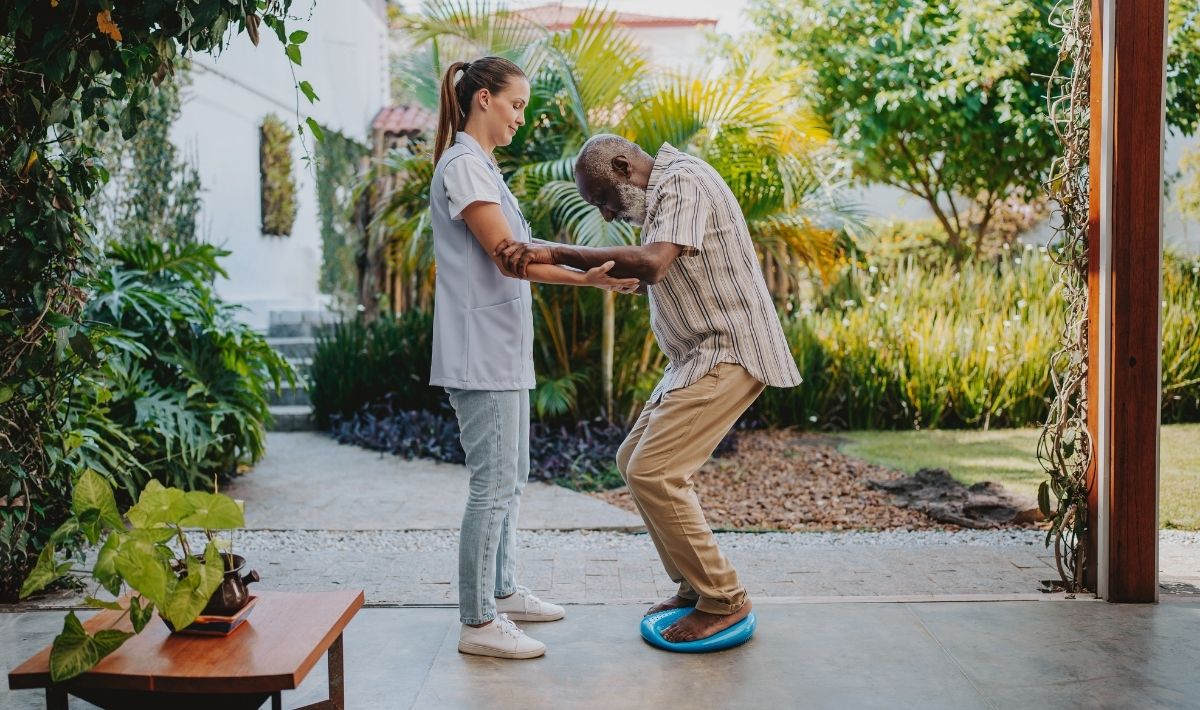
Home visits in London & Surrey (online everywhere)