
Strength Training for Women: Why It’s Never Been More Important
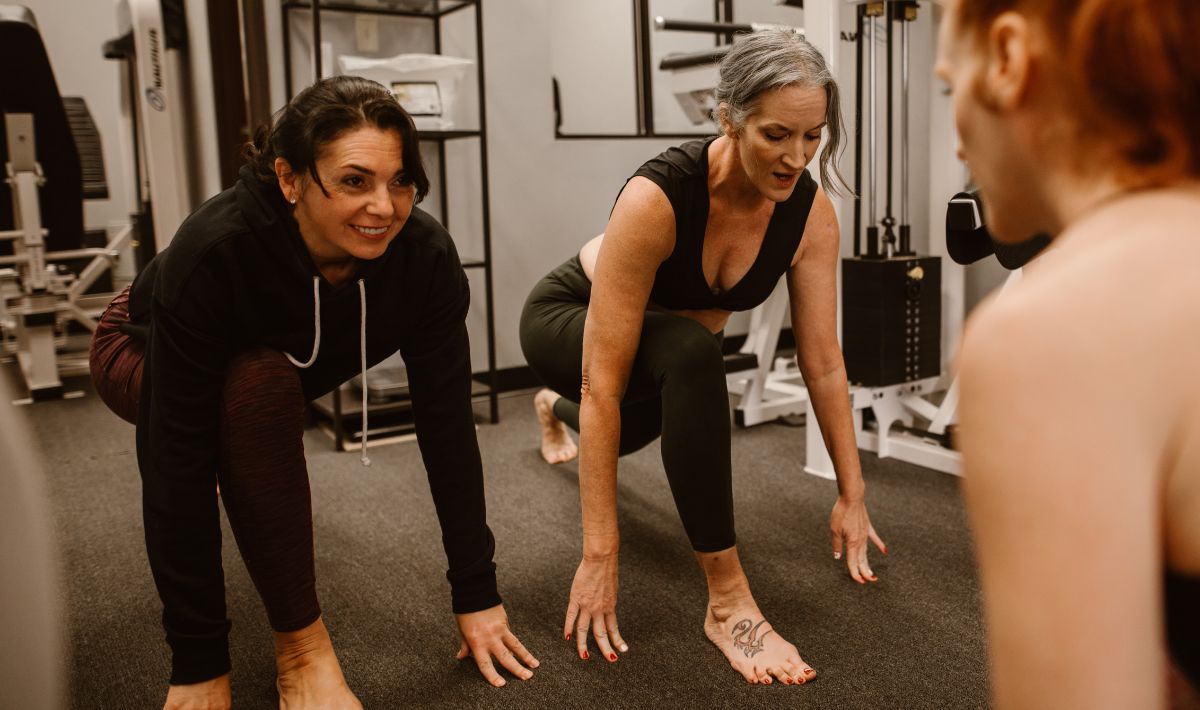
Strength training is often associated with busy gyms, heavy weights and people training for a specific sporting or aesthetic goal. In reality, it can be much simpler than that. Strength training for women can play an important role in maintaining muscle mass, bone health, balance, mobility and independence throughout life. It can also make everyday activities feel easier, whether that is carrying the shopping, getting up from a chair, climbing the stairs or keeping up with an active lifestyle.
As we age, our bodies naturally change. Muscle mass and strength can decline, bone density can reduce, and changes in hormones during perimenopause and menopause can affect how we feel and function. Regular strength training can help to manage some of these changes and support our health as we get older.
At Longevity Health and Fitness, we use strength training to help women build and maintain the physical capacity they need for everyday life, while taking into account their individual goals, health and experience with exercise.
How our bodies change as we age
Ageing is a normal part of life, but some of the physical changes that come with it can affect how we move and feel.
Muscle mass and strength naturally decline with age, particularly when we are less active. This can affect everything from walking and climbing stairs to balance and getting up from the floor. Bone density also decreases over time, with the decline becoming more significant around and after menopause as oestrogen levels fall.
These changes are a normal part of ageing, but regular strength training can help you maintain muscle strength, bone health and physical function. Alongside other forms of movement, it can support your mobility and independence as you get older.
Why strength training matters for women
Supports bone health
Bone density decreases with age, and women are at greater risk of developing osteoporosis, particularly after menopause. Strength and weight-bearing exercises place an appropriate level of stress on the bones, which can help maintain bone strength. This is one reason resistance training is an important part of exercise for women as they get older, particularly for those at risk of osteoporosis or who have already experienced a reduction in bone density.
Helps maintain muscle and strength
Muscle strength is important well beyond the gym. It contributes to how easily you can get out of a chair, carry shopping, climb stairs, walk and maintain your balance.
We naturally lose muscle as we age, but regular resistance training can help slow this process and maintain strength and physical function.
The aim does not have to be lifting heavy weights. The right level of resistance will depend on your current strength, experience and goals, and can be gradually increased as you become stronger.
Supports balance and mobility
Good balance relies on strength, coordination and the ability to control your body as you move.
Strength exercises for the legs, hips and core can help support these areas, while exercises that challenge balance can be incorporated alongside resistance training. Maintaining these physical qualities can help you feel more stable and confident when moving around at home and outside.
Supports metabolic health
Muscle plays an important role in how the body uses and stores glucose. Regular resistance training can improve insulin sensitivity and help support healthy blood sugar levels.
Maintaining muscle mass also helps support your overall physical capacity as you age. When combined with regular aerobic activity and healthy lifestyle habits, strength training can form an important part of looking after your long-term health.
Supports confidence and well-being
Exercise can have benefits way beyond physical strength. Regular movement can support mood, energy levels, sleep and confidence.
For some women, becoming stronger can also change how they feel about what their body is capable of. Being able to do something that previously felt difficult, whether that is lifting heavier weight or getting up from the floor more easily, can have a positive impact on confidence in everyday life.
Strength training during perimenopause and menopause
Perimenopause and menopause are times when many women notice changes in their body. Changes in oestrogen levels can contribute to reductions in bone density and changes in muscle mass, while symptoms such as fatigue, disrupted sleep and changes in mood can affect how active you feel.
Strength training can be particularly valuable during this stage of life because it targets several areas that become increasingly important as we age, including muscle strength, bone health and physical function.
It is also important to remember that there is no single approach that works for every woman. The amount and type of exercise you need will depend on your current fitness, symptoms, health history and what you want to achieve.
Why a tailored approach matters
Starting strength training can feel daunting if you have never used weights before, have an injury or health condition, or simply do not feel comfortable in a busy gym.
Your programme does not need to look like anyone else’s.
At Longevity Health and Fitness, we consider your current strength, movement, health, previous exercise experience and goals when planning your programme. Exercises can then be adapted and progressed as you become stronger.
This may include working with:
- Free weights or machines to gradually build strength
- Resistance bands for accessible resistance training and muscle activation
- Bodyweight exercise to develop strength, control and movement patterns
- Functional exercises such as squats, step ups and carries that relate to everyday activities
- Balance exercises to support stability and confidence
- Lower impact options where appropriate for those with joint or bone health concerns
For someone with osteoporosis, osteoarthritis, an injury or another health condition, exercises may need to be modified to suit their needs. This does not mean avoiding strength training altogether. It means finding an appropriate way to train that suits you.
Strength training does not have to mean lifting heavy
One of the biggest misconceptions about strength training for women is that you always need to lift heavy weights for it to be of benefit.
The right amount of resistance is individual and will also depend on the type of strength training you’re doing based on what you’re working towards. For someone new to exercise, starting with bodyweight exercises or light weights may provide enough challenge. As strength improves, the resistance, repetitions or complexity of an exercise can gradually increase.
This is known as progressive overload. It simply means giving your body an appropriate challenge and gradually increasing it over time. The focus should be on good technique, consistent training and making progress that is appropriate for you.
Making strength training part of your week
You do not need to spend hours in the gym to benefit from strength training.
For many women, two strength sessions each week can provide a useful starting point, alongside other forms of physical activity such as walking, cycling, swimming or exercise classes.
How you structure your week can also make a difference. Managing your overall exercise load, allowing time for recovery and choosing activities that fit around your work and home life can make it much easier to stay consistent.
The best programme is one you can maintain.
Building strength for the years ahead
Strength training is not just about becoming stronger today. It is about maintaining the physical capacity you will need in the future.
Being able to carry your shopping, get up and down stairs, travel, play with your children and grandchildren, take part in sport or simply move around your home independently all rely on strength and physical function.
Starting or continuing strength training at any age can help you maintain this capacity for longer.
At Longevity Health and Fitness, we focus on making strength training for women practical, achievable and relevant to your life. Whether you are new to exercise, navigating menopause, managing a health condition or simply want to maintain strength as you get older, your programme can be adapted to where you are now and where you want to be moving forward.
If you’re ready to get started with strength training, give Longevity Health and Fitness a call today. Our team will assess your needs, talk through your goals and create a personalised programme to help you build strength, improve your mobility and support long-term health. Contact us today to make the next step in your journey to building strength.


