
Can you exercise with osteoporosis?
Yes, you can and should exercise with osteoporosis—as long as it’s done safely. Regular physical activity, particularly weight-bearing and resistance exercises, is essential for improving bone health, posture, balance, and strength.
At Longevity Health and Fitness, we specialise in designing safe, personalised programmes that show you how to exercise with osteoporosis, helping to protect your bones while improving mobility and confidence.
Does exercise help osteoporosis?
Absolutely. Exercise helps manage osteoporosis by stimulating bone growth, improving balance, and reducing the risk of falls. The right movement plan can slow bone loss and strengthen the muscles that support your skeleton.
Our team at Longevity creates routines based on what exercises help with osteoporosis most—tailored to your ability and goals.
Can exercise prevent osteoporosis?
Yes. Weight-bearing and muscle-strengthening exercises are proven to help prevent osteoporosis by building and maintaining bone density. Starting early in life is ideal, but it’s never too late to benefit from movement.
Longevity programmes focus on how exercise helps prevent osteoporosis by making bones stronger and reducing fall risks, especially for women post-menopause.
Can osteoporosis be reversed with exercise?
While osteoporosis cannot always be fully reversed, it can often be significantly improved. Studies show that consistent weight-bearing exercise can increase bone density, especially in early stages.
We show our clients how to improve osteoporosis with exercise through carefully selected resistance and balance training that rebuilds strength and stability over time.
What is the best exercise for osteoporosis?
The best exercises for osteoporosis include weight-bearing activities like walking, dancing, and resistance training using bands or light weights. Posture, balance, and flexibility exercises are also important.
At Longevity Health and Fitness, we guide you through what exercises are good for osteoporosis and customise them based on your bone health, risk level, and physical capability.
How does exercise help osteoporosis?
Exercise helps osteoporosis by stimulating cells that build bone, enhancing coordination, and strengthening muscles that protect bones from fractures.
We educate clients on how exercise reduces osteoporosis risks and how it contributes to long-term skeletal resilience.
Is weight-bearing exercise good for osteoporosis?
Weight-bearing exercise is one of the most effective strategies for preserving and improving bone mass. Movements like squats, lunges, and standing resistance exercises help bones adapt and grow stronger.
We’ll teach you how weight-bearing exercise helps prevent osteoporosis and safely integrate it into your fitness routine.
Can too much exercise cause osteoporosis?
Excessive high-intensity training—especially when combined with poor nutrition—can lead to bone loss over time. This is more common in younger female athletes with low body weight and hormonal imbalances.
At Longevity Health and Fitness, we ensure all programmes are balanced and restorative, so you gain strength without stressing your bones.
What exercises should be avoided with osteoporosis?
Those with osteoporosis should avoid high-impact movements (e.g., jumping), deep spinal flexion (like crunches or toe-touches), or twisting under load. These can increase the risk of fractures.
Our expert team guides you through what exercises to avoid with osteoporosis, while offering safe and effective alternatives that build strength and confidence.
What’s the best exercise programme for osteoporosis?
The best programme combines weight-bearing activities, resistance training, balance work, and posture correction. This holistic approach reduces fall risk while promoting bone and joint health.
At Longevity Health and Fitness, we tailor the best exercise programme for osteoporosis based on your medical history, current ability, and goals—helping you move safely and confidently.
Why does exercise help with osteoporosis?
Exercise helps with osteoporosis by sending signals to the bones to strengthen and adapt. It also enhances muscular support, balance, and reaction time—reducing fall risk, the most common cause of fractures.
Our mission at Longevity is to show why exercise is important for osteoporosis and empower you to reclaim strength, one step at a time.
Living with osteoporosis can feel limiting—but it doesn’t have to define how you move or live. At Longevity Health & Fitness, we support people at every stage of osteoporosis or osteopenia to build strength, reduce risk, and move with confidence. Whether you’ve just been diagnosed or have been managing the condition for years, we’ll work with you to create a plan that supports your bone health, your lifestyle, and your long-term goals.
This FAQ page covers the questions we’re asked most often—what osteoporosis is, why it matters, and how the right kind of movement can help protect and strengthen your bones. You’ll also learn which exercises are safe, which to avoid, and how we personalise every programme to suit your needs.
Our approach is grounded in science and built on care. With expert coaching, tailored movement, and ongoing support, we help you feel in control of your body—stronger, steadier, and ready for whatever comes next.


No More Excuses: Practical Solutions to Stay Active at Any Age
We all know that regular physical activity is essential for good health, but somehow, life always manages to get in the way. Work commitments, family responsibilities, injuries and even lack of motivation can make it [...]
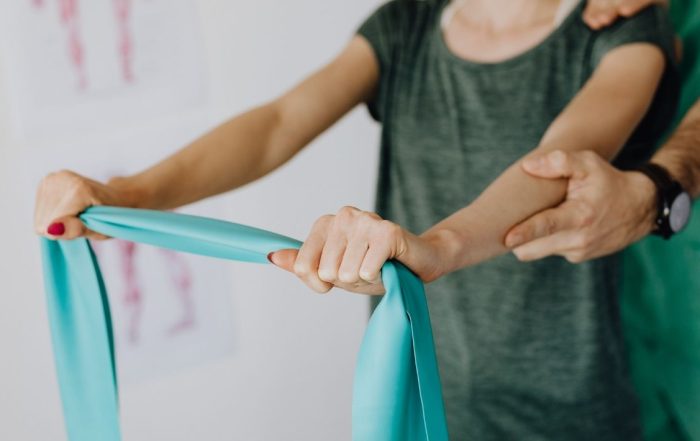
What Does A Clinical Exercise Physiologist Do?
When people think of healthcare, they often think of doctors, physiotherapists or dieticians. But there’s another highly skilled professional playing a crucial role in preventing and managing chronic disease: the clinical exercise physiologist. These professionals [...]

Dementia vs Alzheimer’s: 3 Key Differences
When it comes to cognitive health, the difference between Dementia and Alzheimer’s is a topic that confuses many. While the terms can often be used interchangeably, they do in fact refer to different things. In [...]
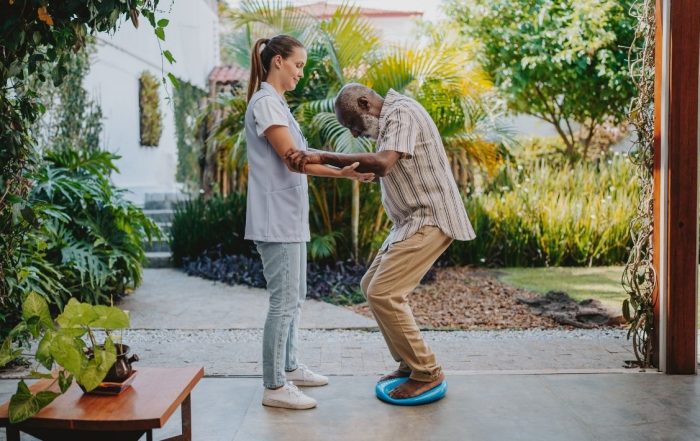
Physiotherapist vs Physiologist: Five Key Differences
When experiencing pain, injury or changes in physical function, many people are often unsure which healthcare professional they should see. Two roles that are often confused are physiotherapist vs physiologist. Both professionals work to improve [...]
Get in touch
We’re here to help you regain your strength and live your best life. Contact us today to arrange your consultation with one of our exercise professionals.


