
7 Exercises To Help Support Knees with Osteoarthritis
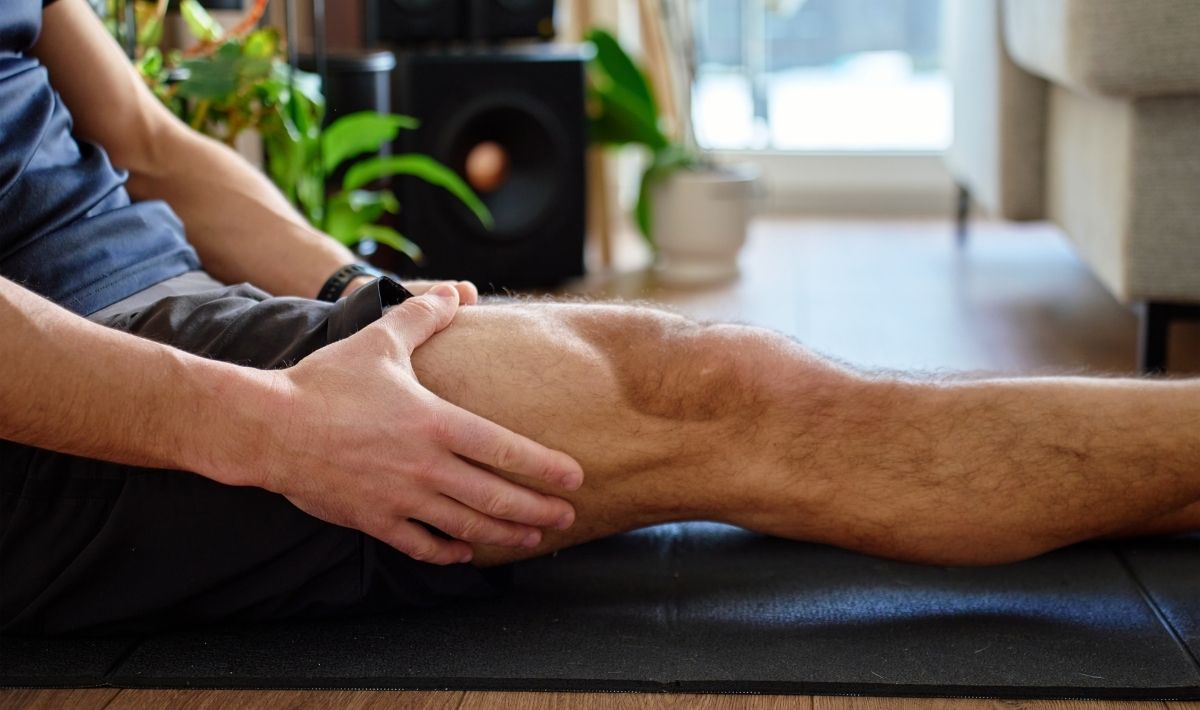
Knee osteoarthritis (OA) is one of the most common causes of pain and reduced mobility in adults, particularly as we get older. It occurs when the protective cartilage within the joint gradually wears down, leading to stiffness, swelling and discomfort. Versus Arthritis, the leading charity in the UK that supports those with arthritis, suggests that regular exercise for joint pain is one of the most effective ways to improve joint function and mobility for people who have knees with osteoarthritis.
If you’re living with knee OA, it can feel counterintuitive to move more when movement can be what hurts. The right type of exercise doesn’t wear your knees out further, it actually helps to protect and support them. Stronger muscles around the joint create more joint space, absorb load more effectively, improve joint realignment and reduce strain on irritated structures.
At Longevity Health and Fitness, we focus on building strength, stability and confidence, not pushing through the pain. In this blog, we’ll go through seven exercises we regularly use to support knees with osteoarthritis.
1. Sit to stand
This functional movement mimics everyday tasks, including getting up from a chair or out of the car.
How to do it:
Sit on a sturdy chair with feet hip-width apart. Lean slightly forward and stand up slowly, then lower back down with control. Use your hands on the armrests if needed. Start with 8-10 repetitions and build gradually.
Benefits:
- Strengthens quad muscles and glutes
- Improves independence in everyday activities
- Emphasises proper knee alignment
2. Straight leg raises
When your knees are painful, exercises that strengthen your leg muscles without bending your knee can be a great place to start.
How to do it:
Lie on your back with one knee bent and the other leg straight. Tighten the thigh muscle of the straight leg and lift it to the height of the opposite knee. Lower slowly. Aim for 10-12 repetitions per side.
Benefits:
- Builds quad strength without compressing knee joint
- Improves knee stability and hip strength
- Supports walking tolerance
3. Wall sit
Squats are safe and effective when performed in a comfortable range. An isometric exercise like wall squats, where you hold your muscles, can be beneficial to avoid pain through the knee’s range of motion.
How to do it:
Stand with your back against a wall and feet slightly forward. Slide down a small distance and hold that position. Once complete, return to standing. Aim to start with 10-second holds and build where possible.
Benefits:
- Builds muscular endurance in quad and glute muscles
- Improves tolerance in controlled movement
- Builds confidence with bending movements
4. Step-ups
Stairs can often be challenging and painful for people with knee OA. This is why practicing step ups is especially valuable.
How to do it:
Using a low step, place one foot on the step and push through the heel to lift your body up. Step back down slowly. Hold a railing for balance if needed. Start with a low height and increase gradually. Aim to complete 8-10 on each side.
Benefits:
- Builds functional leg strength
- Improves balance and coordination
- Improves stair-climbing ability over time
5. Hamstring curls
It’s important to ensure you have balanced strength between the muscles at the front and back of your thighs to help stabilise your knee.
How to do it:
Stand holding onto a chair or bench. Slowly bend one knee, bringing your heel toward your bottom. Lower with control. Perform 10 repetitions per side.
Benefits:
- Strengthens hamstring muscles
- Supports knee and hip joint stability
- Reduces excessive strain on the front of the knee
6. Calf raises
The lower leg also plays an important role in shock absorption and walking efficiency.
How to do it:
Stand with feet hip-width apart, holding onto a stable surface. Rise onto your toes, then lower slowly. Aim for 10–15 controlled repetitions.
Benefits:
- Improves ankle strength and stability
- Enhances walking mechanics
- Supports lower limb function
7. Stationary cycling
Low-impact cardiovascular exercise is particularly beneficial for knees with OA. Movements like cycling that are non-weight-bearing can help offload the knees while still allowing them to build strength and mobility.
How to do it:
Use a stationary bike with light resistance. Keep the movement smooth and controlled. Ensure to push evenly through both legs. Start with 5-10 minutes and build as tolerated.
Benefits:
- Promotes joint lubrication
- Improves range of motion and muscular endurance
- Supports cardiovascular health without excessive stress on joints
Why exercise works for knees with osteoarthritis
Research consistently shows that strengthening and low-impact aerobic exercise help reduce pain and improve function in people with knee osteoarthritis. The National Institute for Health and Care Excellence (NICE) recommends exercise as a first-line treatment before considering more invasive interventions.
Here’s why it works:
- Muscle strength reduces joint load. Strong muscles around your knees increase joint space and absorb more force when moving, including walking and climbing stairs.
- Movement lubricates cartilage. Gentle, repeated movement helps circulate synovial fluid, which supports joint health.
- Improved alignment reduces irritation. Control and strength through the hip and ankle joints help ensure the knee tracks more efficiently.
- Confidence improves outcomes. When people feel stronger, they move more, and movement is medicine for our joints.
It’s important that exercise feels manageable. Mild discomfort during or after activity can be normal, especially if you’re just getting started, but sharp or worsening pain is not. The goal is gradual progression to improve capacity and reduce flare-ups.
How to exercise safely with osteoarthritis in your knees
If you have OA in your knees, keep these principles in mind when exercising:
- Warm up before strengthening work
- Work within a pain scale of 0-3 out of 10 during exercise
- Progress slowly – increase repetitions or resistance one variable at a time
- Build consistency rather than intensity
The bigger picture
Exercise doesn’t just support our knees, it supports the whole person. Maintaining strength and mobility reduces the risk of falls, supports metabolic health and protects our independence as we age.
At Longevity Health and Fitness, our approach to OA is individualised. Our clinical exercise professionals assess movement patterns, identify weaknesses and create structured programs that are realistic and sustainable. There’s no one-size-fits-all template, just progressive, evidence-based exercise tailored to your capacity and for maximum joint pain relief.
If knee pain has been limiting your activity, you don’t have to accept that as your new normal. With the right guidance and a structured plan, many people find they can move more comfortably, walk further and regain confidence in their bodies.
If you’d like support managing knee OA through safe, targeted exercise, get in touch with us today. We’ll help you build strength, reduce pain and get back into doing the things you love. We also have a free osteoarthritis factsheet, which has plenty of advice on how exercise can support you further in managing pain and symptoms.


